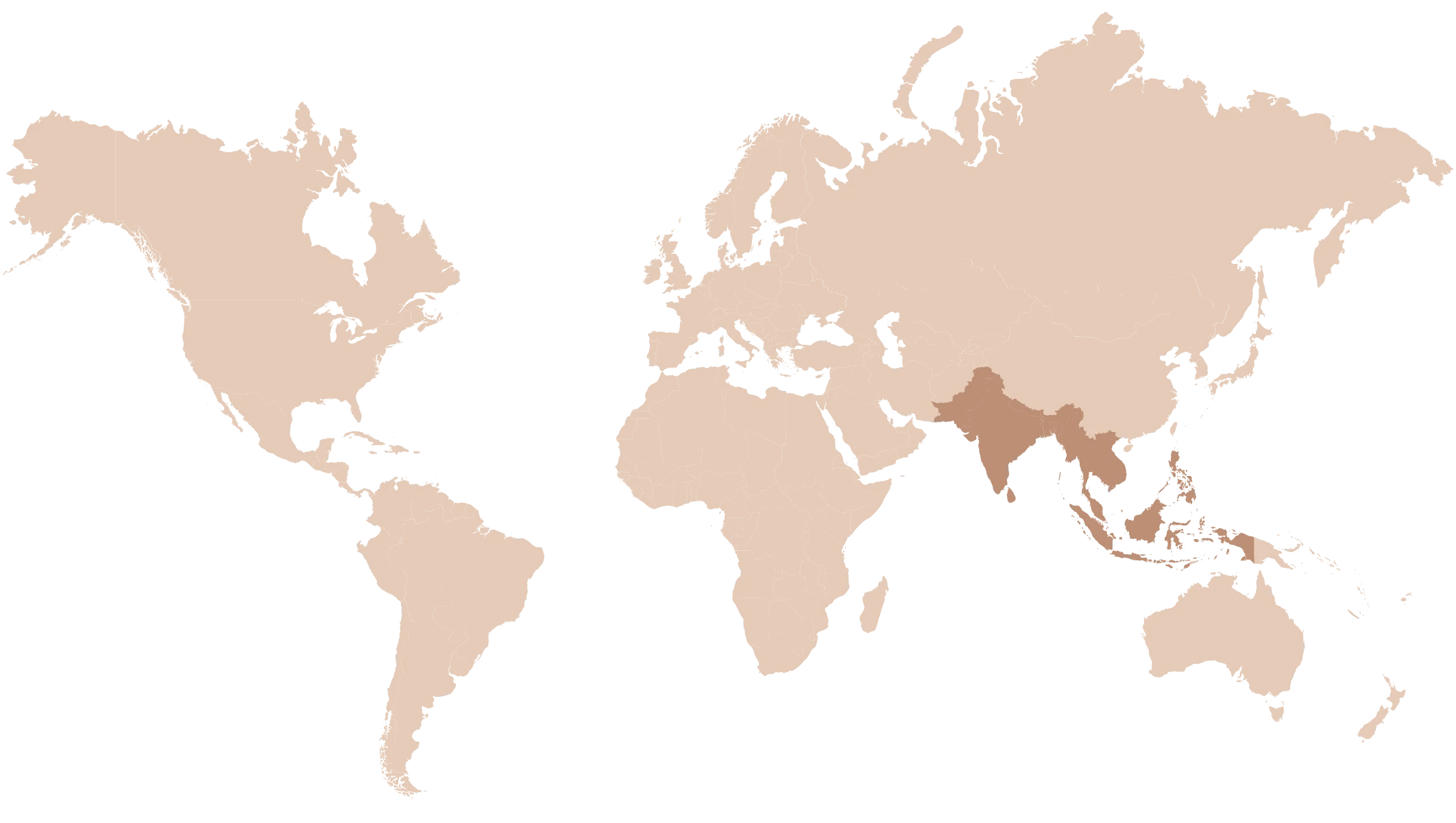
IUCN RED LIST
Established in 1964, The IUCN Red List is a critical indicator of the health of the world’s biodiversity. Species are classified by the IUCN Red List into nine groups, through criteria such as rate of decline, population size and area of geographic distribution as:
- Extinct (EX) – This species is no longer extant
- Extinct in the wild (EW) – Survives only in captivity, or through cultivation often outside native range
- Critically endangered (CR) – In an extremely critical state
- Endangered (EN) – Very high risk of extinction in the wild
- Vulnerable (VU) – At high risk of unnatural (human-caused) extinction
- Near Threatened (NT) – Close to being endangered in the near future
- Least Concern (LC) – Widespread and abundant in the wild
- Data Deficient (DD) – Inadequate information to assess extinction risk
- Not Evaluated (NE) – Has not yet been assessed




The butterfly has white upper wings with bright orange patches near the forewing tips bordered by black markings. Females are generally paler and less brightly coloured than males. The underside shows yellowish and mottled patterns that help camouflage among dry vegetation and leaves.
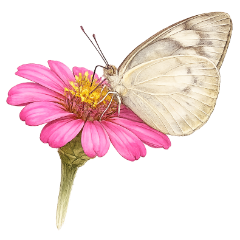
The White Orange Tip is an active and agile butterfly known for its rapid and fluttering flight. It frequently visits flowers for nectar and often basks in sunlight with partially open wings. Males are territorial and may chase away rival butterflies from feeding areas.

The White Orange Tip is generally non-migratory, though local seasonal movement may occur in response to rainfall and flowering availability.

Breeding mainly occurs during warm and monsoon seasons. Females lay spindle-shaped eggs singly on host plants belonging mainly to the Capparaceae family. Caterpillars feed on leaves before pupating on stems or twigs. Courtship involves aerial chasing and fluttering behaviour by males.

Bright orange wing tips may distract predators during flight. Camouflaged undersides help conceal the butterfly among dry leaves. Seasonal colour variations improve adaptation to changing climates. Rapid flight helps avoid predators in open habitats.
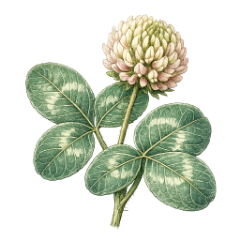
Adult White Orange Tips mainly feed on nectar from lantana, mustard flowers, ixora, jasmine, and various wild herbs. Caterpillars feed primarily on leaves of caper and related host plants.

The White Orange Tip is commonly found in dry deciduous forests, scrublands, open grasslands, gardens, agricultural lands, rocky hillsides, and roadside vegetation. It prefers sunny and semi-arid habitats with flowering plants and scattered shrubs.