IUCN RED LIST
Established in 1964, The IUCN Red List is a critical indicator of the health of the world’s biodiversity. Species are classified by the IUCN Red List into nine groups, through criteria such as rate of decline, population size and area of geographic distribution as:
- Extinct (EX) – This species is no longer extant
- Extinct in the wild (EW) – Survives only in captivity, or through cultivation often outside native range
- Critically endangered (CR) – In an extremely critical state
- Endangered (EN) – Very high risk of extinction in the wild
- Vulnerable (VU) – At high risk of unnatural (human-caused) extinction
- Near Threatened (NT) – Close to being endangered in the near future
- Least Concern (LC) – Widespread and abundant in the wild
- Data Deficient (DD) – Inadequate information to assess extinction risk
- Not Evaluated (NE) – Has not yet been assessed




The wings are bright tawny-orange with numerous black spots and dark wing margins marked by white spots. The underside resembles the upper side but is generally paler. The striking coloration serves as a warning signal to predators.
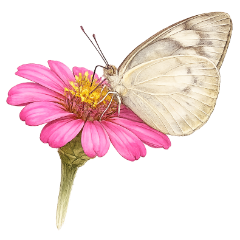
The Tawny Coster is a slow-flying and highly conspicuous butterfly. It glides gracefully and often flies close to the ground. Due to its chemical defenses, it exhibits a relaxed flight pattern and does not rely heavily on rapid escape from predators. It is commonly observed basking on vegetation and visiting flowers.

The Tawny Coster is mainly a resident species, but local dispersal and seasonal movements may occur. In some regions, populations expand rapidly into newly suitable habitats, contributing to its increasing geographic range.

Females lay eggs in clusters on host plants, primarily species of Passiflora and related plants. Breeding occurs throughout the year in tropical regions, with peak activity during and after the monsoon season when vegetation is abundant.
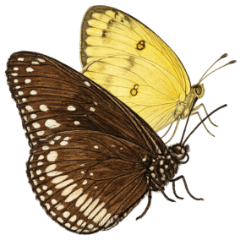
The bright orange coloration acts as aposematic (warning) coloration, signaling unpalatability to predators. Both larvae and adults contain chemical defenses acquired from host plants. Its slow flight conserves energy and reflects reduced predation pressure due to these defenses.

Adults feed primarily on nectar from a wide variety of flowering plants. Caterpillars feed on leaves of passionflower vines and related host plants. The larvae obtain chemical compounds from their food plants, which contribute to their defense against predators.

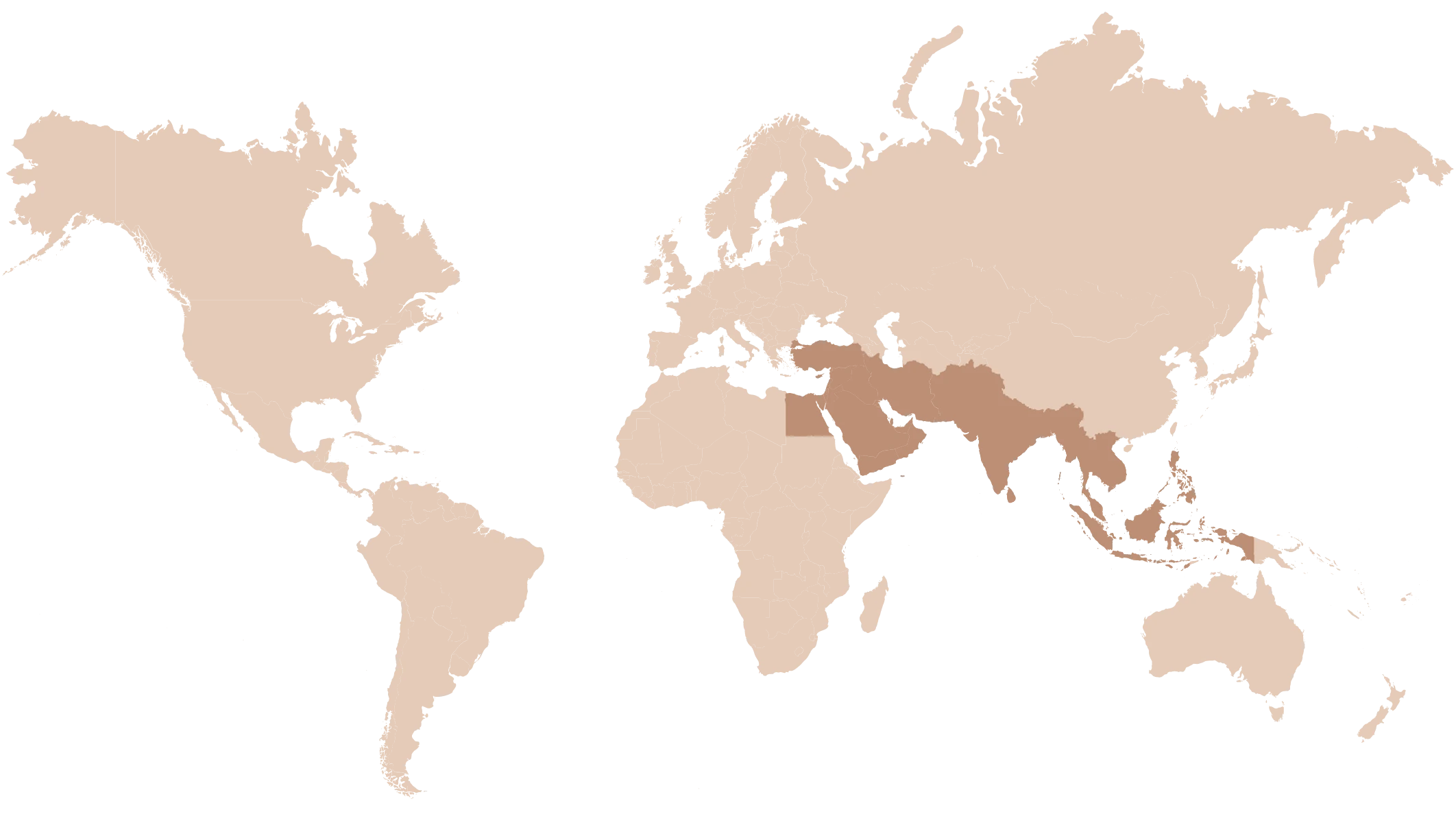
The Tawny Coster inhabits open grasslands, scrublands, agricultural fields, forest edges, wetlands, coastal areas, gardens, parks, and urban green spaces.