
IUCN RED LIST
Established in 1964, The IUCN Red List is a critical indicator of the health of the world’s biodiversity. Species are classified by the IUCN Red List into nine groups, through criteria such as rate of decline, population size and area of geographic distribution as:
- Extinct (EX) – This species is no longer extant
- Extinct in the wild (EW) – Survives only in captivity, or through cultivation often outside native range
- Critically endangered (CR) – In an extremely critical state
- Endangered (EN) – Very high risk of extinction in the wild
- Vulnerable (VU) – At high risk of unnatural (human-caused) extinction
- Near Threatened (NT) – Close to being endangered in the near future
- Least Concern (LC) – Widespread and abundant in the wild
- Data Deficient (DD) – Inadequate information to assess extinction risk
- Not Evaluated (NE) – Has not yet been assessed



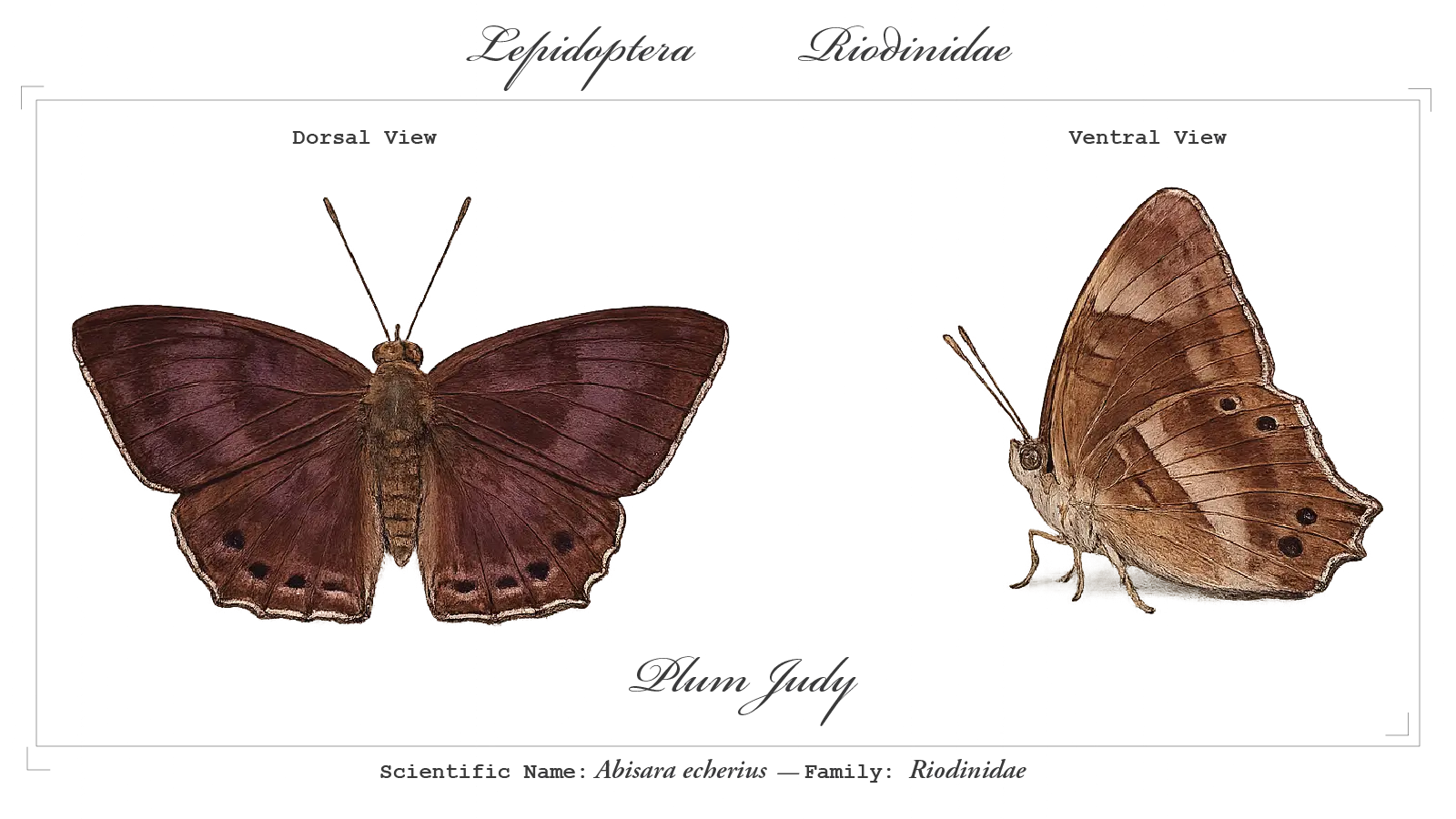
The upper wings are dark brown to blackish with contrasting orange-red markings. The underside is beautifully patterned with shades of plum, reddish-brown, grey, and white, crossed by fine bands and spots. The wing patterns provide excellent camouflage among dry leaves and forest litter.
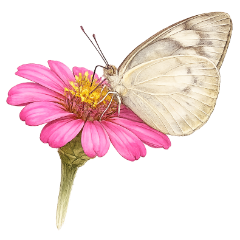
The Plum Judy is a small, secretive butterfly that prefers shaded habitats. It is usually found flying low among undergrowth and forest paths. Its flight is slow and jerky, often interrupted by brief rests on leaves. A distinctive feature is its habit of continuously moving its hindwings while perched.

The Plum Judy is a resident species and is not known to undertake long-distance migrations. Local movements may occur in response to seasonal changes in habitat conditions and food availability.
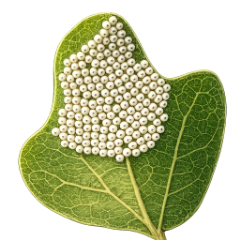
Females lay eggs singly on host plants, mainly species belonging to the family Primulaceae (formerly Myrsinaceae), such as Ardisia species. Breeding occurs throughout much of the year in tropical regions, with increased activity during the monsoon and post-monsoon seasons.
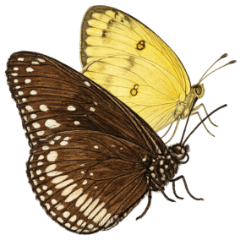
The cryptic underside coloration provides effective camouflage among dead leaves and shaded forest floors. The characteristic wing-flicking behavior may confuse predators and enhance survival. Its preference for dense vegetation reduces exposure to predators and environmental stress.
Adults feed on flower nectar, tree sap, decaying fruits, and mineral-rich moisture from damp soil. Caterpillars feed on leaves of host plants, particularly species of Ardisia and related shrubs found in forest understories.
The Plum Judy inhabits tropical and subtropical forests, forest edges, scrub forests, wooded hillsides, streamside vegetation, plantations, and well-vegetated gardens.