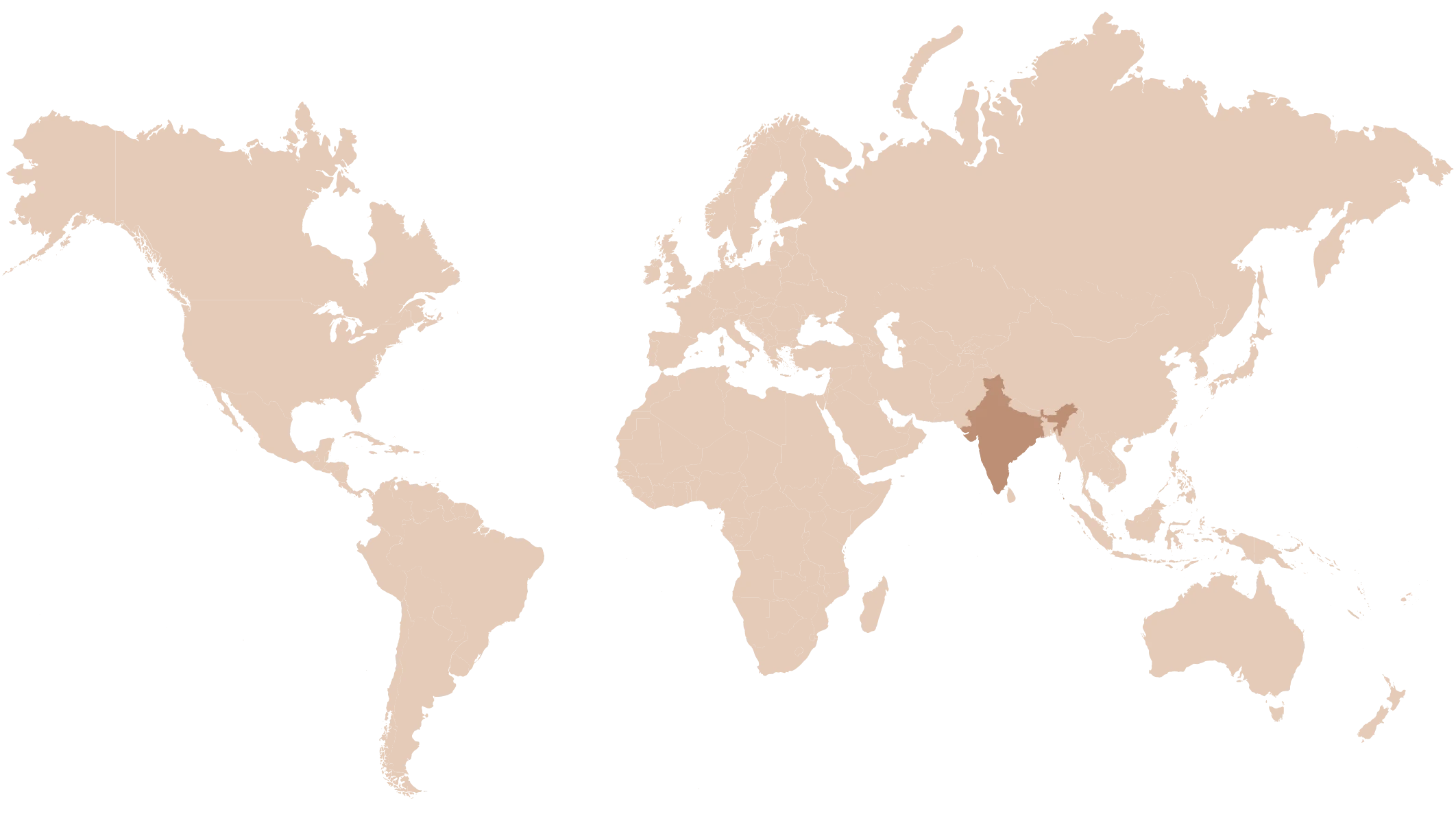
IUCN RED LIST
Established in 1964, The IUCN Red List is a critical indicator of the health of the world’s biodiversity. Species are classified by the IUCN Red List into nine groups, through criteria such as rate of decline, population size and area of geographic distribution as:
- Extinct (EX) – This species is no longer extant
- Extinct in the wild (EW) – Survives only in captivity, or through cultivation often outside native range
- Critically endangered (CR) – In an extremely critical state
- Endangered (EN) – Very high risk of extinction in the wild
- Vulnerable (VU) – At high risk of unnatural (human-caused) extinction
- Near Threatened (NT) – Close to being endangered in the near future
- Least Concern (LC) – Widespread and abundant in the wild
- Data Deficient (DD) – Inadequate information to assess extinction risk
- Not Evaluated (NE) – Has not yet been assessed



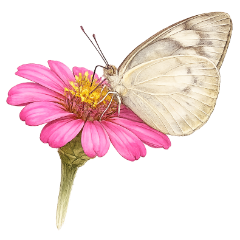
A medium-sized brown skipper with distinctive semi-transparent white spots on the forewings each spot clearly separated from the next and rows of pale yellowish spots across the hindwings. The wing fringe is characteristically chequered black and white. It rests with wings held flat, the posture that gives the 'flat' group their name.
A secretive, low-flying skipper that often rests beneath leaves, boulders or logs. Most active in humid, shaded forest situations where canopy gaps allow dappled light to reach ground vegetation.

No regular migration documented. A forest resident across its known range.
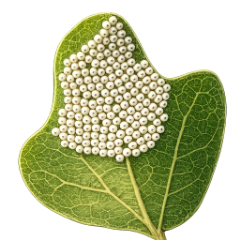
Females lay eggs on larval host plants, particularly members of the Acanthaceae family including Strobilanthes and Eranthemum. Caterpillars construct leaf-roll shelters using silk. Mating behaviour is not well documented at present.
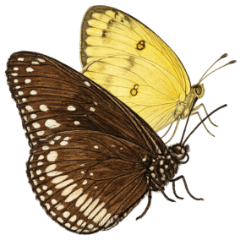
Cryptic brown colouration provides camouflage among bark, dry leaves and shaded forest vegetation. The separated pale wing spots reduce visual conspicuousness at rest. Association with Acanthaceae host plants represents ecological specialisation in moist forest habitats.
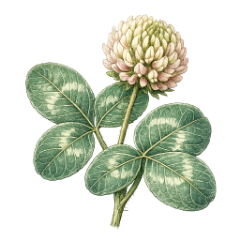
Adults feed on floral nectar from forest flowers. Caterpillars feed on Acanthaceae including Eranthemum purpurascens, E. roseum, Strobilanthes ciliata and S. callosus.
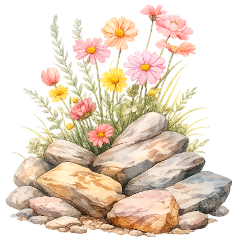
Moist-deciduous, semi-evergreen and secondary evergreen forests, especially areas with dense herbaceous and shrub vegetation. Also found near forest streams and shaded areas beneath boulders and logs.