IUCN RED LIST
Established in 1964, The IUCN Red List is a critical indicator of the health of the world’s biodiversity. Species are classified by the IUCN Red List into nine groups, through criteria such as rate of decline, population size and area of geographic distribution as:
- Extinct (EX) – This species is no longer extant
- Extinct in the wild (EW) – Survives only in captivity, or through cultivation often outside native range
- Critically endangered (CR) – In an extremely critical state
- Endangered (EN) – Very high risk of extinction in the wild
- Vulnerable (VU) – At high risk of unnatural (human-caused) extinction
- Near Threatened (NT) – Close to being endangered in the near future
- Least Concern (LC) – Widespread and abundant in the wild
- Data Deficient (DD) – Inadequate information to assess extinction risk
- Not Evaluated (NE) – Has not yet been assessed



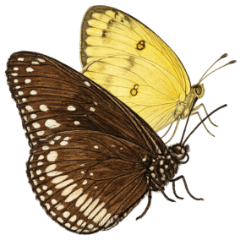
This a small, robust skipper butterfly has brown to chocolate-brown wings with small translucent white spots on the forewings and a stout, hairy body.
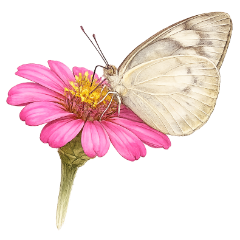
A fast-flying, alert skipper that stays close to the ground. It visits flowers frequently, rests beneath palm leaves with wings in the characteristic open-and-flat skipper posture, and darts away quickly when disturbed. Generally solitary.

Indian Palm Bob is considered a non-migratory butterfly. Individuals generally remain within localized habitats where suitable host plants are available.

Females lay eggs singly on the leaves of host palms. Caterpillars fold or stitch leaf edges with silk to construct a protective shelter in which they feed and develop. Mating occurs mainly in warmer months, with breeding continuing year-round in tropical regions and peaking during and after the monsoon.
Rapid, darting flight helps evade predators. Brown wing colouration blends with dried leaf litter and palm fronds. Larvae construct silk-leaf shelters for protection against predators and environmental stress. Close association with palms abundant across tropical urban estates allows efficient use of a widely available host.
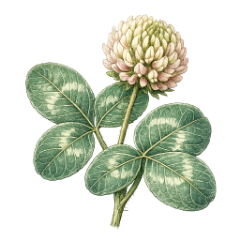
Adults feed primarily on floral nectar. Caterpillars feed on palms including coconut (Cocos nucifera), areca palm (Areca catechu), oil palm (Elaeis guineensis) and other Arecaceae species.
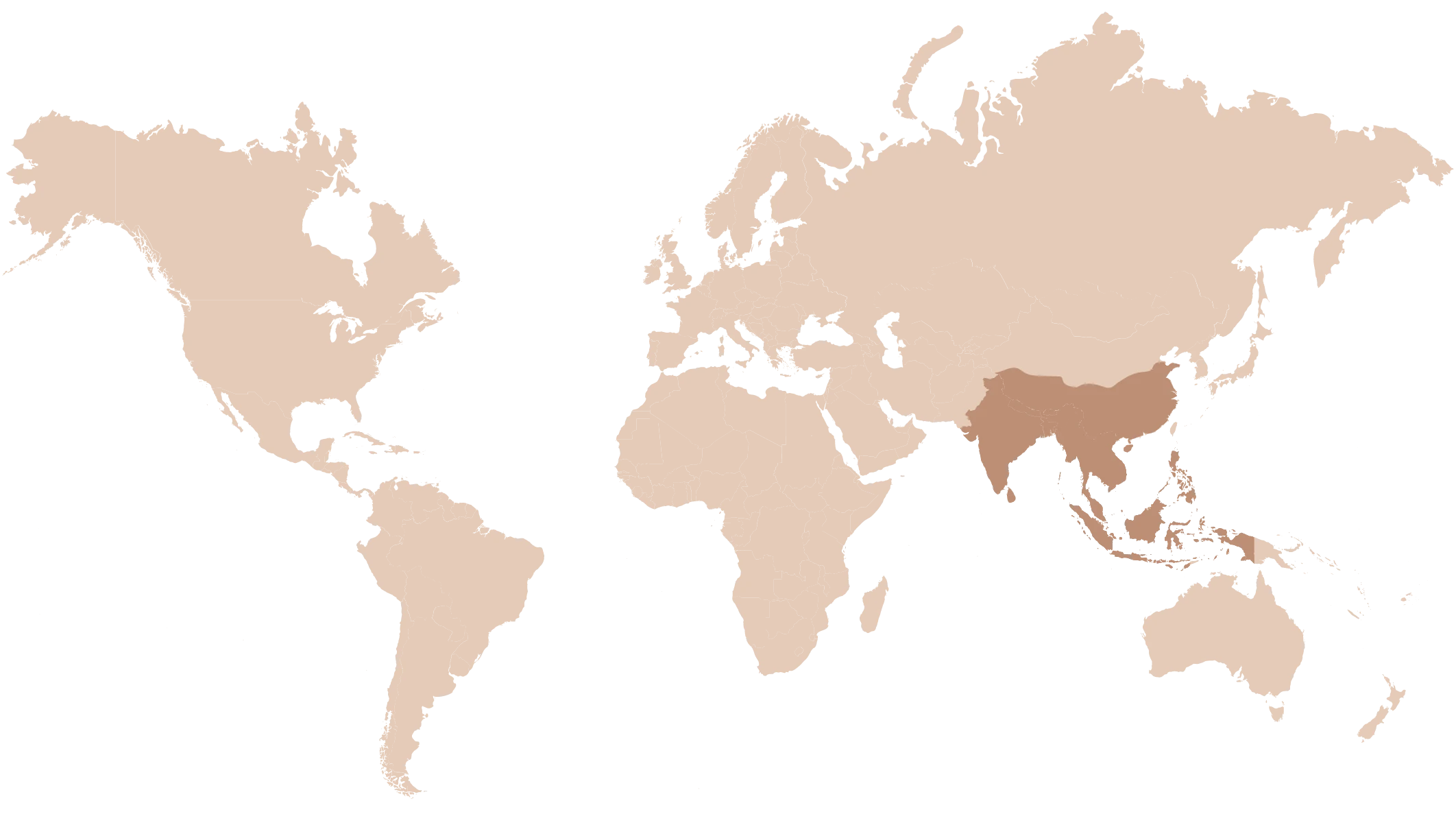
It inhabits tropical and subtropical environments where palms are present like gardens, plantations, village groves, forest margins and urban green spaces. Prefers warm, humid settings with abundant nectar sources alongside palm vegetation.