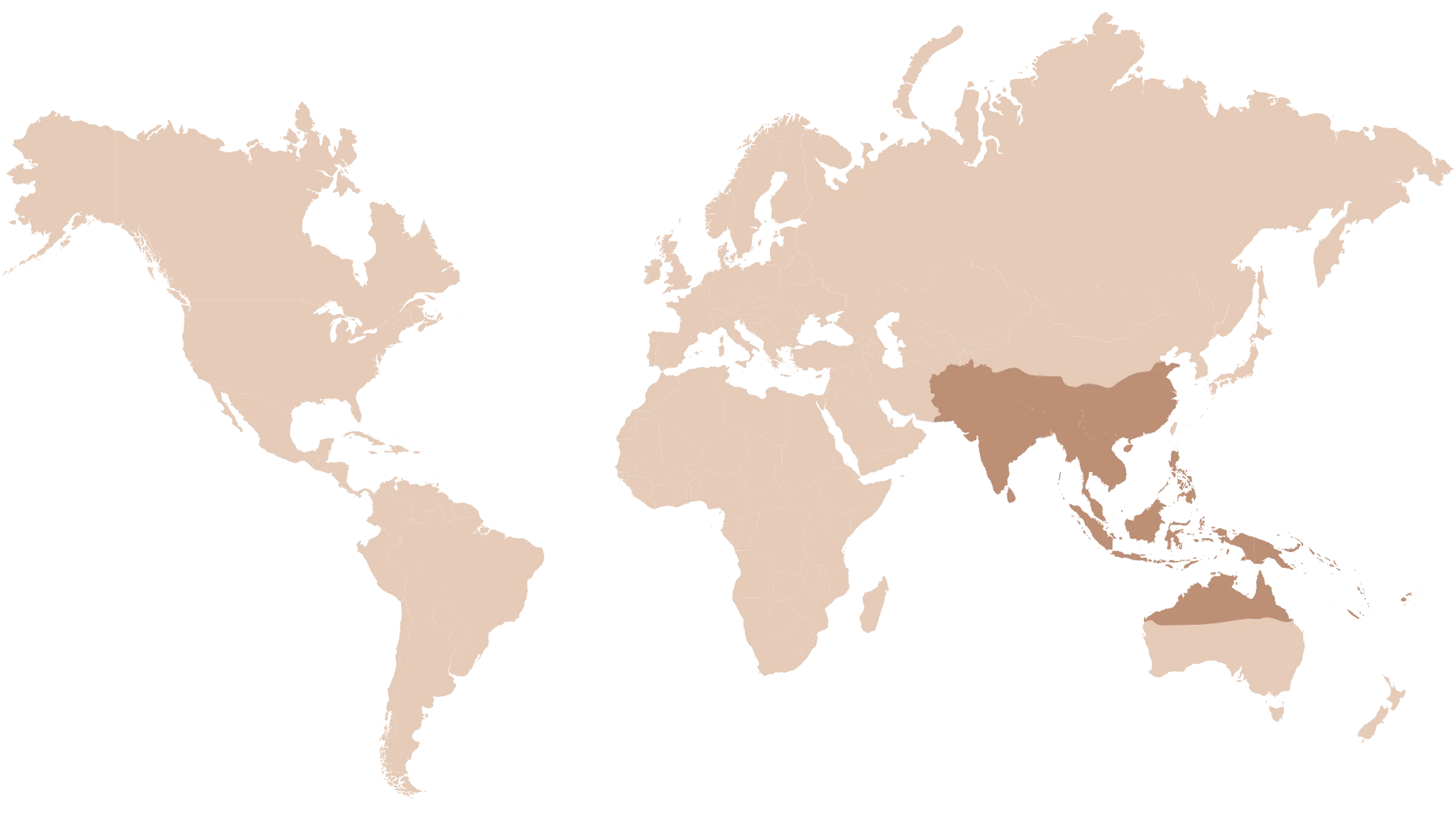
IUCN RED LIST
Established in 1964, The IUCN Red List is a critical indicator of the health of the world’s biodiversity. Species are classified by the IUCN Red List into nine groups, through criteria such as rate of decline, population size and area of geographic distribution as:
- Extinct (EX) – This species is no longer extant
- Extinct in the wild (EW) – Survives only in captivity, or through cultivation often outside native range
- Critically endangered (CR) – In an extremely critical state
- Endangered (EN) – Very high risk of extinction in the wild
- Vulnerable (VU) – At high risk of unnatural (human-caused) extinction
- Near Threatened (NT) – Close to being endangered in the near future
- Least Concern (LC) – Widespread and abundant in the wild
- Data Deficient (DD) – Inadequate information to assess extinction risk
- Not Evaluated (NE) – Has not yet been assessed



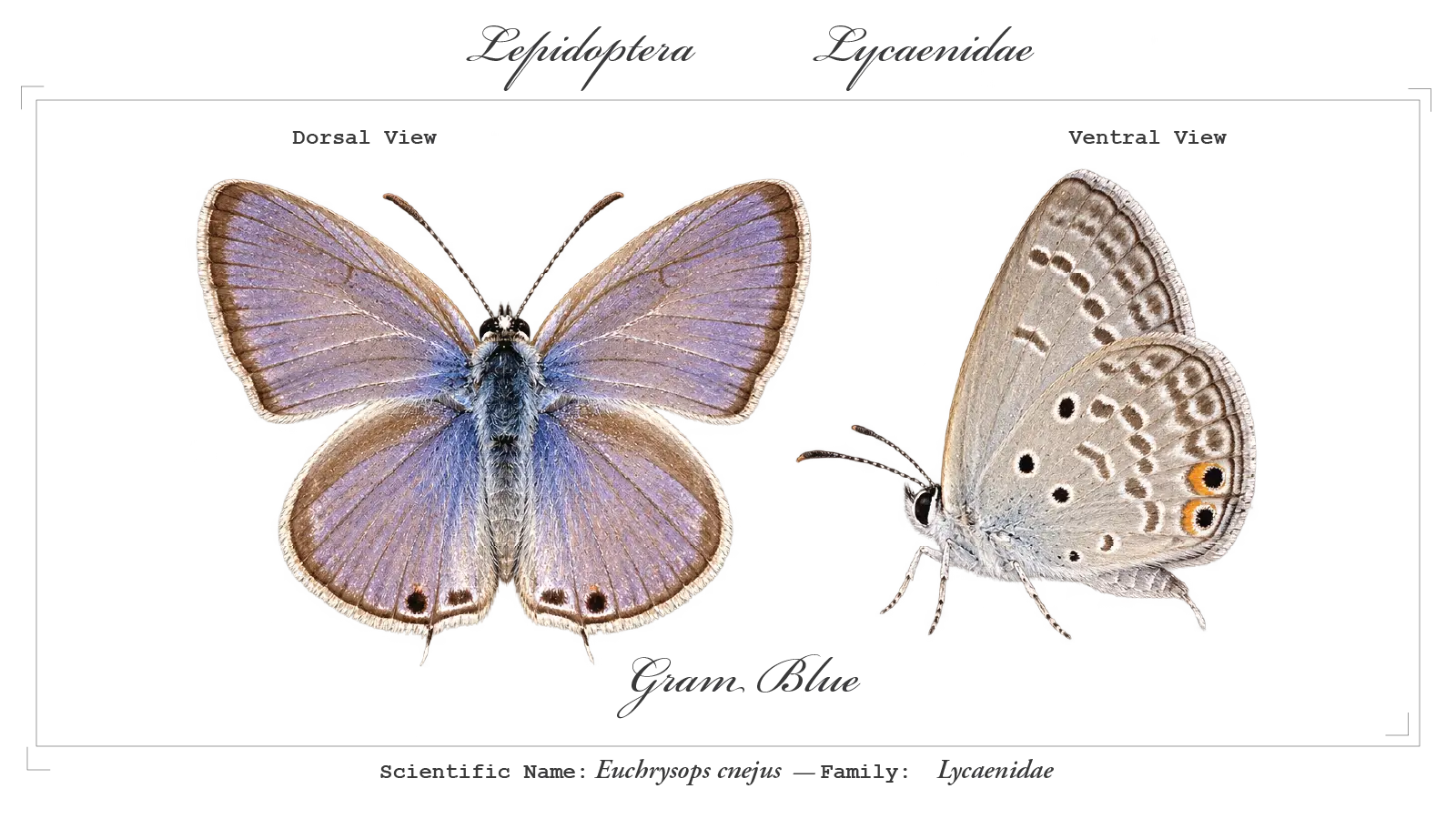
A small Lycaenid with marked sexual dimorphism. Males are pale violet-blue to purplish-blue above; females are predominantly brown with bluish suffusion near the wing bases. The underside in both sexes is grey to silvery-grey with darker discal markings and a distinctive row of orange-crowned black spots near the hindwing tornus. Hindwings bear short tails.
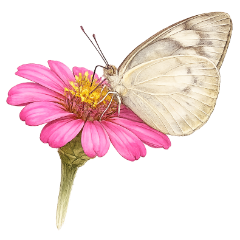
A sun-loving butterfly with a weak, fluttering flight close to the ground, though capable of rapid bursts around bushes. Commonly visits small flowers and wet patches; basks during warm periods of the day.

The Gram Blue is generally considered a resident species. Local movements may occur in response to flowering plants and seasonal conditions.

Females lay eggs singly on Fabaceae host plants. Breeding occurs during warm and humid periods, with activity recorded particularly during and after the monsoon. The complete life cycle can be completed in as little as 23-30 days under favourable conditions.
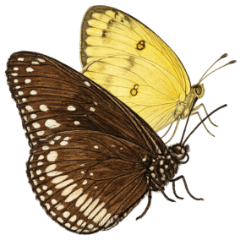
Subdued grey, brown and blue colouration provides camouflage among dry vegetation. Hindwing tails and orange-crowned tornal spots may function as a false-head deflection system, directing predator attention away from the actual head. The ability to use numerous Fabaceae host plants, including crop legumes provides exceptional ecological flexibility.
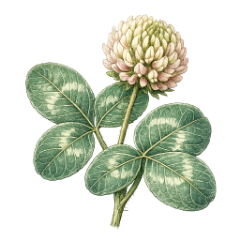
Adults feed on nectar from small flowers and visit wet ground for minerals. Caterpillars feed on flowers, young shoots and pods of leguminous plants including Butea monosperma, Cajanus cajan, Vigna, Pisum sativum and Acacia species.
Open dry areas, scrublands, grasslands, cultivated land, forest edges and sunny habitats. Particularly associated with flowering vegetation around agricultural fields and forest margins. Recorded up to approximately 2,000 m.