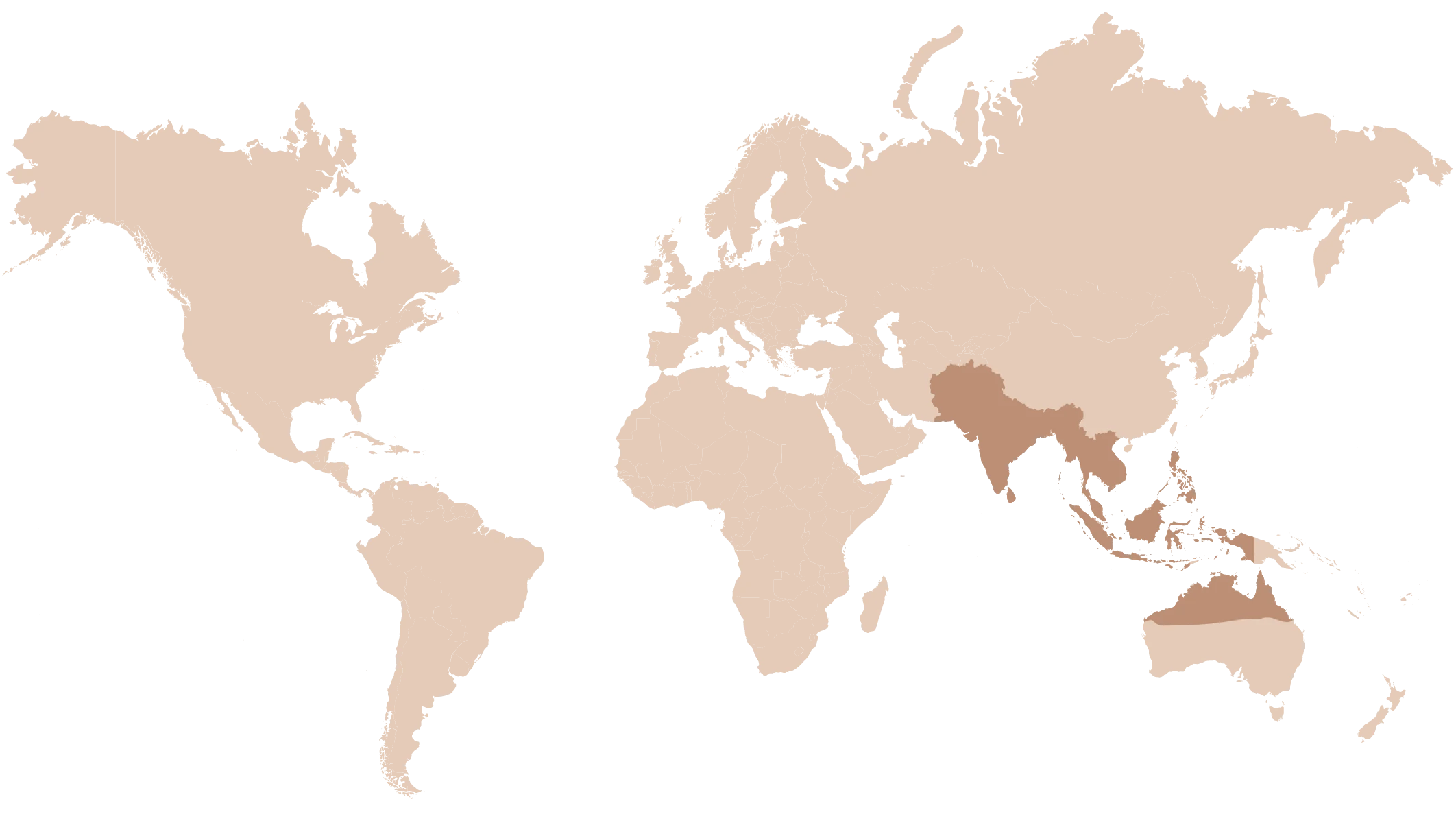
IUCN RED LIST
Established in 1964, The IUCN Red List is a critical indicator of the health of the world’s biodiversity. Species are classified by the IUCN Red List into nine groups, through criteria such as rate of decline, population size and area of geographic distribution as:
- Extinct (EX) – This species is no longer extant
- Extinct in the wild (EW) – Survives only in captivity, or through cultivation often outside native range
- Critically endangered (CR) – In an extremely critical state
- Endangered (EN) – Very high risk of extinction in the wild
- Vulnerable (VU) – At high risk of unnatural (human-caused) extinction
- Near Threatened (NT) – Close to being endangered in the near future
- Least Concern (LC) – Widespread and abundant in the wild
- Data Deficient (DD) – Inadequate information to assess extinction risk
- Not Evaluated (NE) – Has not yet been assessed



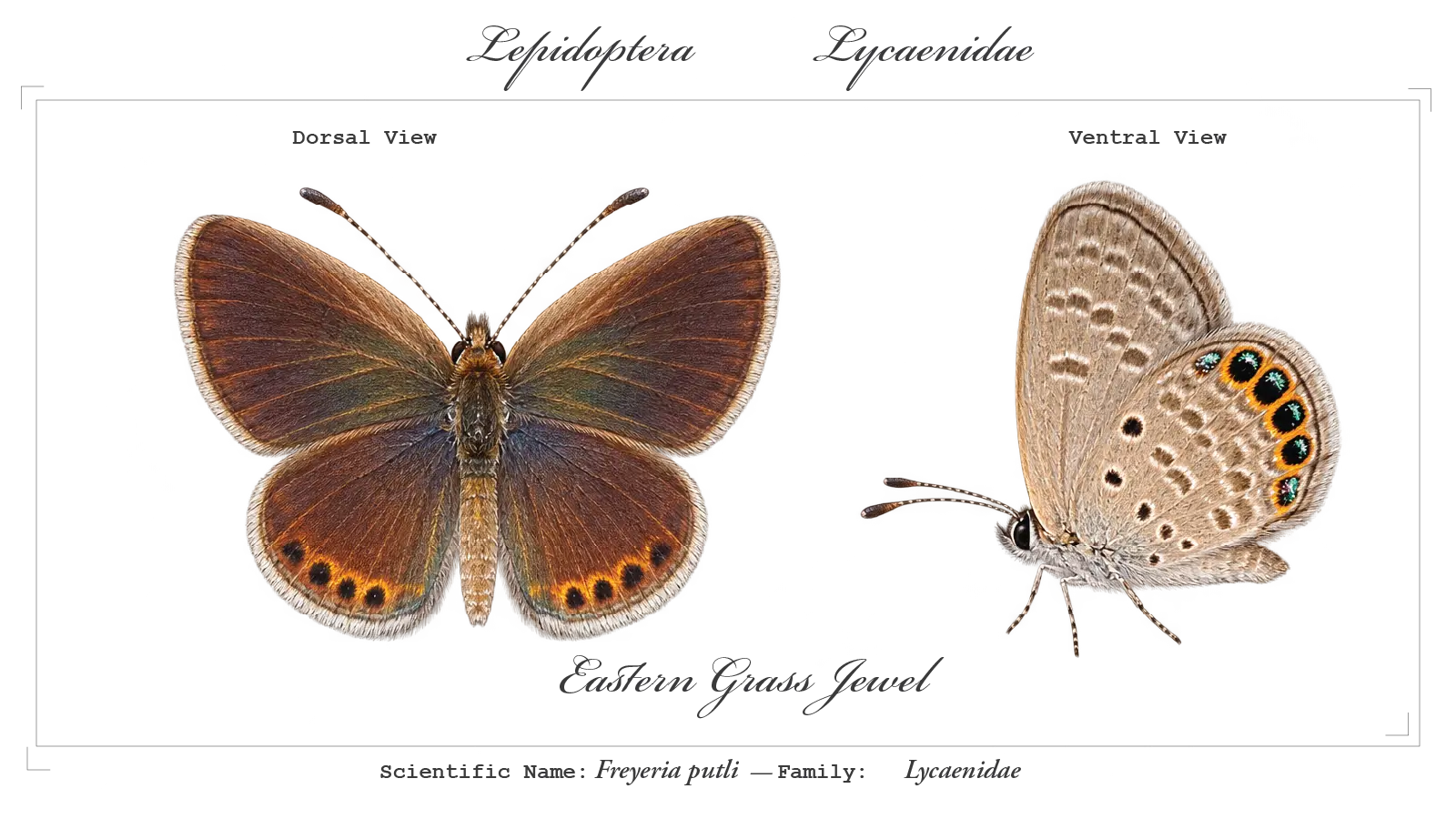
One of the smallest butterflies in the region, with brown to bronze-brown wings above. The underside is pale greyish to greenish-brown, carrying the species' defining feature: black spots near the hindwing margin, each set against metallic green and orange markings that give this tiny butterfly its name. Small size and subdued colouration make it easily overlooked.
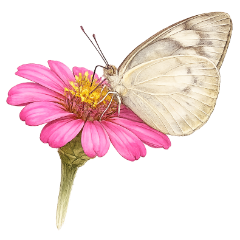
A tiny, weak-flying butterfly that rarely rises far above the ground. Adults settle frequently on grasses, herbs and low stones, basking in sunshine. Its small size and subdued colouration make it among the easiest butterflies to overlook in the field.

No regular migration. Resident, with short movements possible between suitable grassland patches.

Females lay eggs on or near larval host plants. Mating occurs close to breeding habitat. Activity varies with temperature, rainfall and host-plant availability rather than a fixed seasonal pattern.
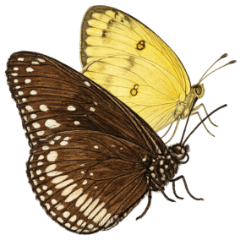
Exceptionally small size, subdued brown colouration and very low flight are well suited to life among short grasses and ground-level vegetation. The patterned underside and dark marginal spots provide camouflage and may deflect predator attention. The ability to use several host plants provides ecological flexibility.
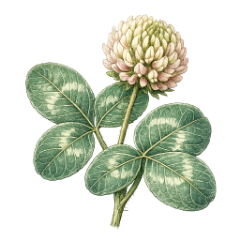
Adults feed on nectar from small, low-growing flowers. Caterpillars feed on herbaceous legumes including Indigofera, Rhynchosia minima, Crotalaria hebecarpa, Pisum sativum, Vicia and Zornia diphylla.
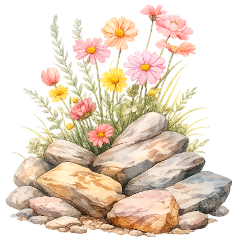
Open grassy areas, dry scrub, grasslands, cultivated landscapes and woodland edges. Prefers sunny, relatively dry habitats with low herbaceous vegetation and suitable leguminous host plants.