IUCN RED LIST
Established in 1964, The IUCN Red List is a critical indicator of the health of the world’s biodiversity. Species are classified by the IUCN Red List into nine groups, through criteria such as rate of decline, population size and area of geographic distribution as:
- Extinct (EX) – This species is no longer extant
- Extinct in the wild (EW) – Survives only in captivity, or through cultivation often outside native range
- Critically endangered (CR) – In an extremely critical state
- Endangered (EN) – Very high risk of extinction in the wild
- Vulnerable (VU) – At high risk of unnatural (human-caused) extinction
- Near Threatened (NT) – Close to being endangered in the near future
- Least Concern (LC) – Widespread and abundant in the wild
- Data Deficient (DD) – Inadequate information to assess extinction risk
- Not Evaluated (NE) – Has not yet been assessed



The wings are rich reddish-brown to chestnut-brown with a glossy appearance. The most distinctive feature is the bright red eyes, which contrast sharply with the darker body and wings. The underside is slightly paler but similar in coloration.
The Common Redeye is a fast-flying skipper that is most active during the early morning and late afternoon. It usually flies low among grasses, shrubs, and bamboo thickets. Adults frequently rest beneath leaves, often with wings partially open. The species is generally shy and difficult to approach.
The Common Redeye is a resident species and is not known to undertake long-distance migrations. Local seasonal movements may occur in response to rainfall, host plant availability, and habitat conditions.

Females lay eggs singly on the leaves of host plants, primarily various species of palms. Breeding occurs throughout the year in tropical regions, with peak activity often observed during and after the monsoon season.
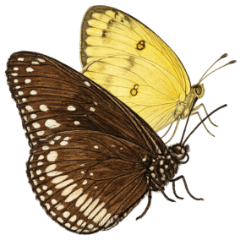
Its rapid flight helps evade predators and facilitates movement through dense vegetation. The red eyes may assist in species recognition during courtship. Caterpillars construct protective leaf shelters that provide defense against predators, parasites, and harsh weather.
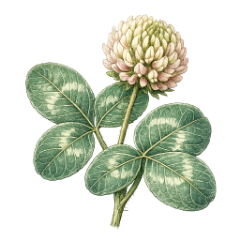
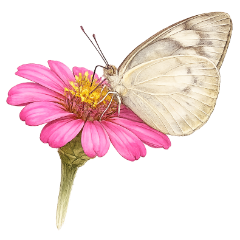
Adults feed on nectar from a variety of flowering plants and occasionally visit damp patches for minerals. Caterpillars feed mainly on palms, including ornamental and wild species. Larvae construct shelters by folding and joining leaves with silk, where they rest and feed.

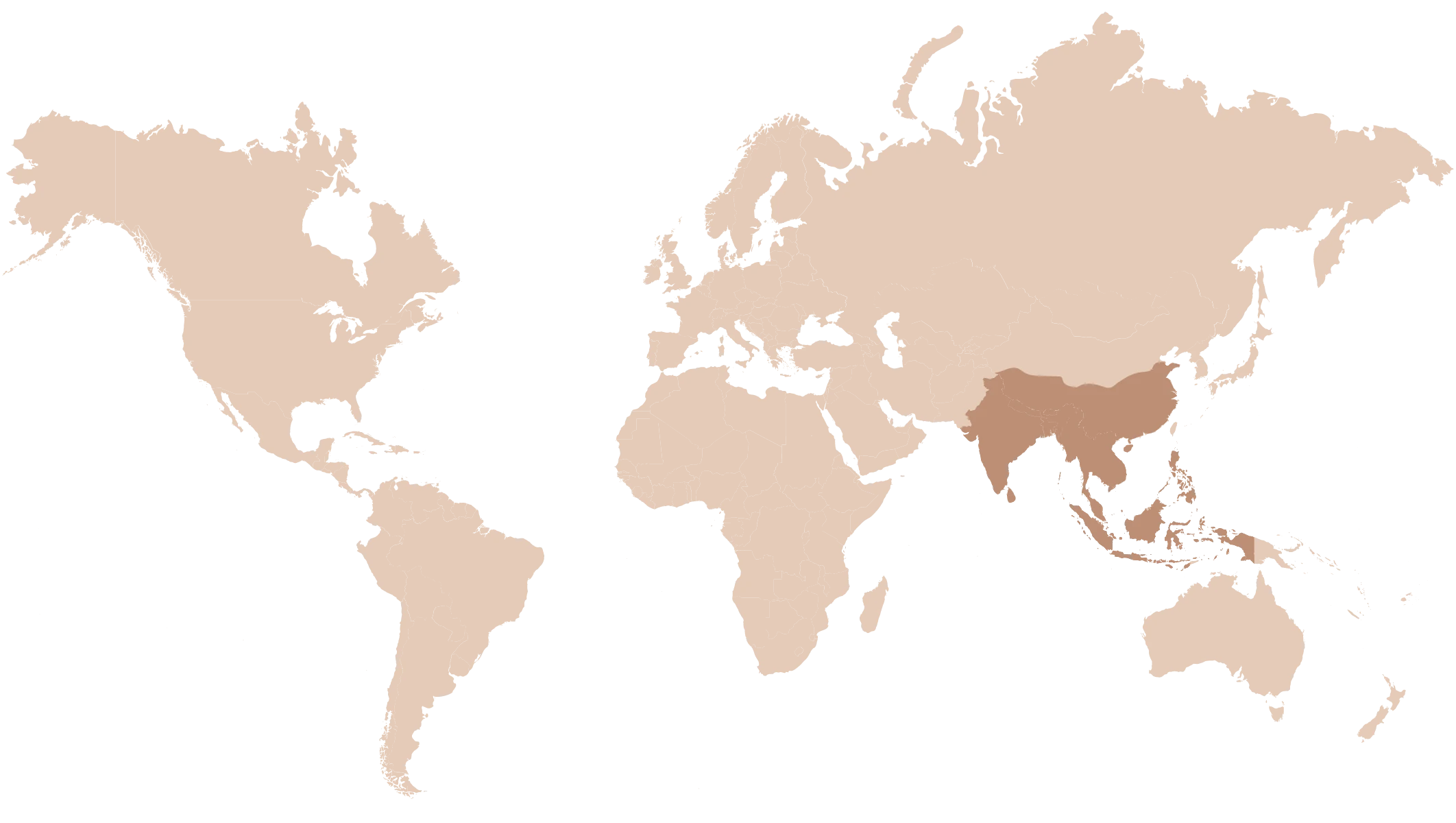
The Common Redeye is commonly found in tropical forests, forest edges, bamboo groves, plantations, gardens, parks, wetlands, and urban green spaces. The species is closely associated with palm trees throughout its range.