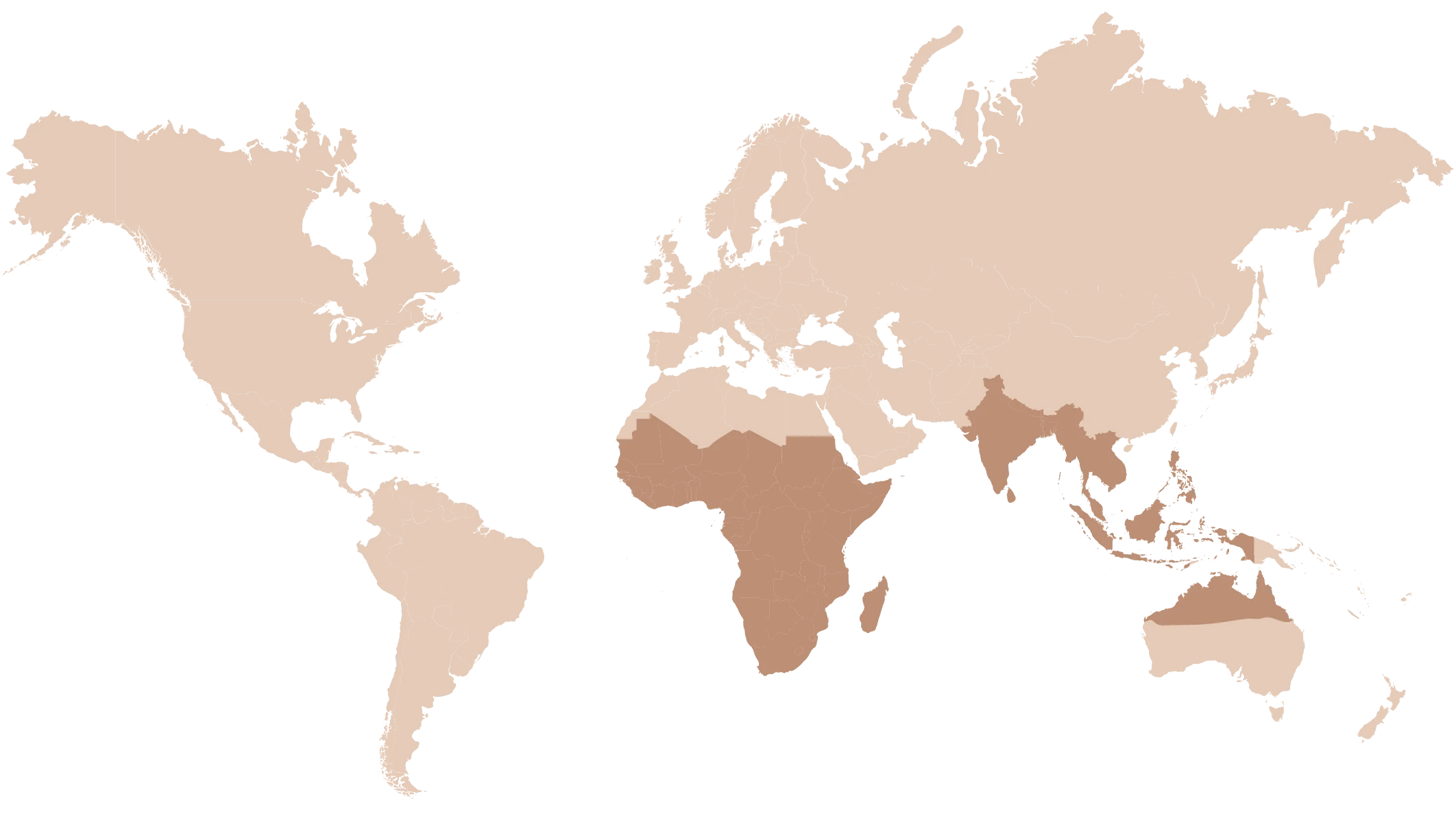
IUCN RED LIST
Established in 1964, The IUCN Red List is a critical indicator of the health of the world’s biodiversity. Species are classified by the IUCN Red List into nine groups, through criteria such as rate of decline, population size and area of geographic distribution as:
- Extinct (EX) – This species is no longer extant
- Extinct in the wild (EW) – Survives only in captivity, or through cultivation often outside native range
- Critically endangered (CR) – In an extremely critical state
- Endangered (EN) – Very high risk of extinction in the wild
- Vulnerable (VU) – At high risk of unnatural (human-caused) extinction
- Near Threatened (NT) – Close to being endangered in the near future
- Least Concern (LC) – Widespread and abundant in the wild
- Data Deficient (DD) – Inadequate information to assess extinction risk
- Not Evaluated (NE) – Has not yet been assessed



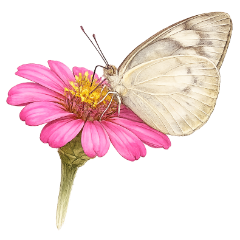
The butterfly has bright orange-brown wings marked with black spots resembling the pattern of a leopard, which gives it its common name. The wing undersides resemble dry leaves, providing camouflage while resting.
The Common Leopard is an active and fast-flying butterfly. It is commonly seen basking in sunlight with open wings and visiting flowers for nectar. It flies swiftly in a jerky manner and often settles on leaves, rocks, or bare ground. Males are territorial and may chase intruders from their feeding areas

The Common Leopard is generally non-migratory, though local seasonal movements may occur in search of food plants and favourable breeding habitats.

Breeding occurs throughout much of the year, especially during monsoon and post-monsoon seasons. Females lay eggs singly on host plants such as species of Flacourtia and passion vines. Caterpillars feed on leaves and later pupate on stems or foliage. Courtship involves aerial displays and short chases by males.
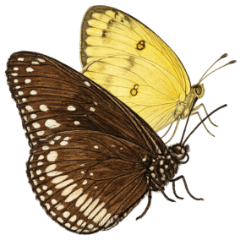
Bright spotted wings provide camouflage among sunlit vegetation. Strong and rapid flight helps escape predators. Wing undersides resemble dry leaves for protection during rest. Highly adaptable to urban gardens and disturbed habitats.
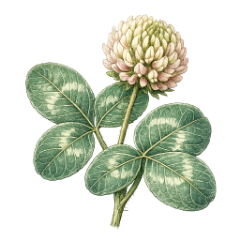
Adult butterflies feed mainly on nectar from flowering plants including lantana, zinnia, jasmine, and wild herbs. They may also feed on overripe fruits and damp soil for minerals. Caterpillars feed primarily on leaves of host plants.
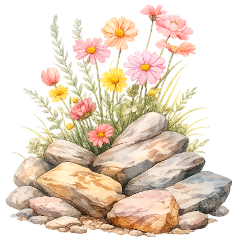
The Common Leopard is widely found in open forests, scrublands, grasslands, gardens, agricultural fields, urban parks, and roadside vegetation. It prefers sunny habitats with abundant flowering plants and larval host plants.