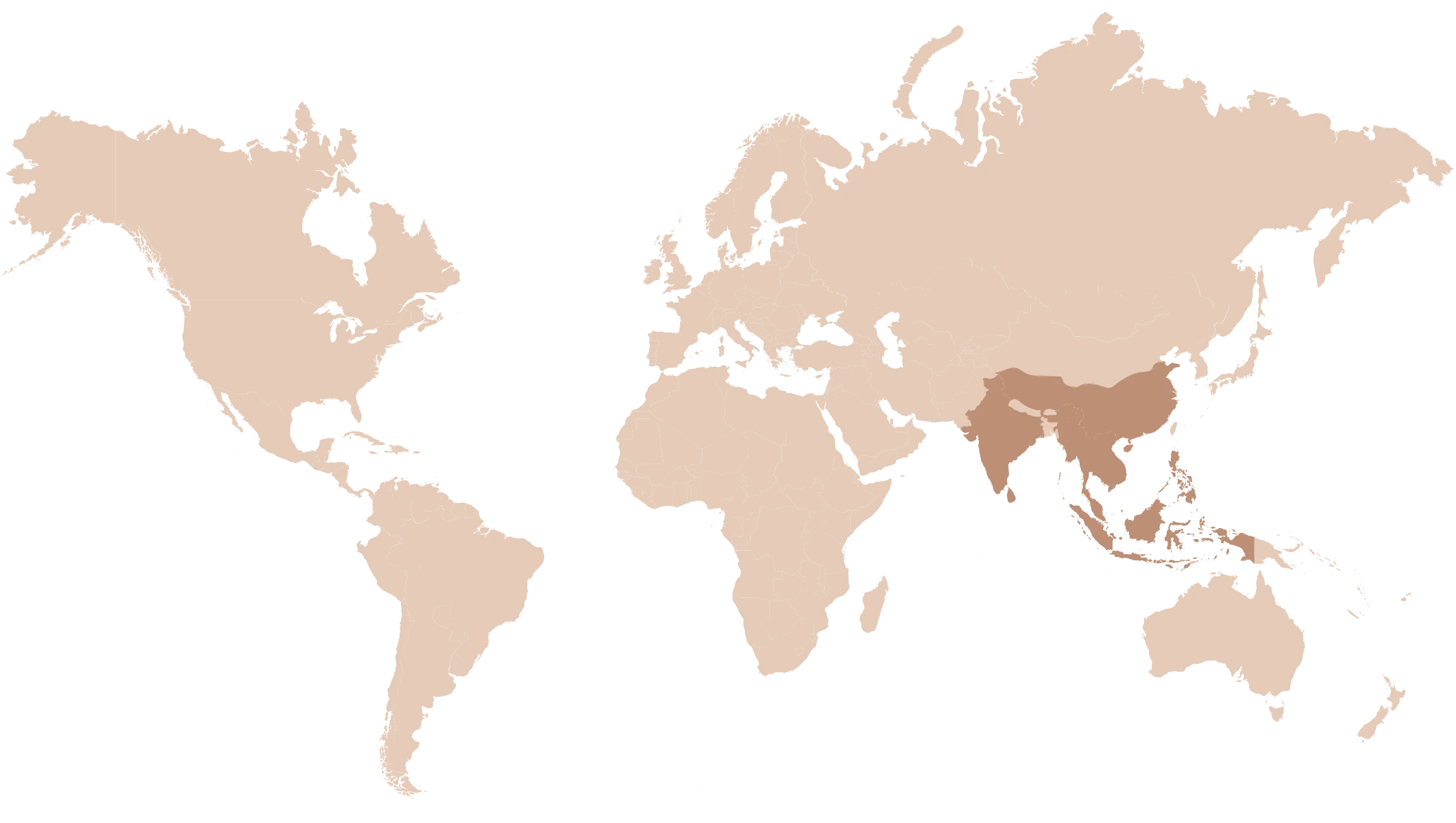
IUCN RED LIST
Established in 1964, The IUCN Red List is a critical indicator of the health of the world’s biodiversity. Species are classified by the IUCN Red List into nine groups, through criteria such as rate of decline, population size and area of geographic distribution as:
- Extinct (EX) – This species is no longer extant
- Extinct in the wild (EW) – Survives only in captivity, or through cultivation often outside native range
- Critically endangered (CR) – In an extremely critical state
- Endangered (EN) – Very high risk of extinction in the wild
- Vulnerable (VU) – At high risk of unnatural (human-caused) extinction
- Near Threatened (NT) – Close to being endangered in the near future
- Least Concern (LC) – Widespread and abundant in the wild
- Data Deficient (DD) – Inadequate information to assess extinction risk
- Not Evaluated (NE) – Has not yet been assessed



A medium-sized white butterfly with black markings along the forewing margins and veins. Males are pale greyish-white above with clean black patterning; females are darker and more heavily marked. The underside is white to yellowish with black markings. The species shows distinct wet- and dry-season forms, wet-season individuals are darker and more strongly marked, dry-season ones noticeably paler and more delicate in appearance.
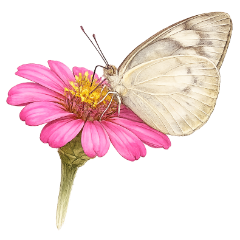
A strong and relatively rapid flyer, often seen close to the ground. Settles on exposed leaves or bushes after sustained flight. Adults visit flowers for nectar and frequently engage in mud-puddling, particularly in hot weather. May occur in loose groups where nectar or mineral resources are concentrated.

Seasonal and local migrant. Movements occur in response to seasonal rainfall and the availability of nectar plants and larval host plants.
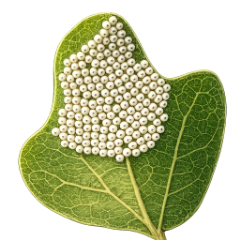
Females lay eggs on Capparaceae host plants. A multivoltine species breeding throughout the year in suitable tropical conditions, with heightened activity reported between July and December in coastal regions.
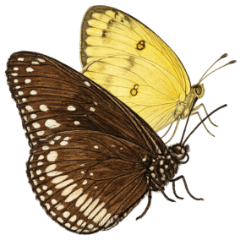
White, yellow and black wing patterning provides species recognition while variable wet- and dry-season forms allow colouration to align more closely with seasonal backgrounds. Strong flight facilitates movement between fragmented habitats. Use of multiple Capparaceae host plants and diverse nectar sources increases ecological flexibility.
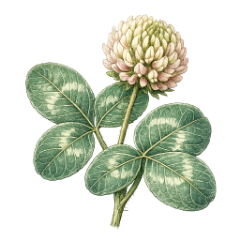
Adults feed on nectar from flowering plants including Tridax procumbens, Sida rhombifolia, Alternanthera and Lantana. Caterpillars feed on Capparaceae including Cadaba fruticosa, Capparis decidua, C. sepiaria, C. zeylanica and Maerua species.
Dry scrublands, open countryside, forest clearings, grassy areas, cultivated fields and forest edges. Particularly associated with drier plains and open habitats. Recorded up to approximately 1,800 m.