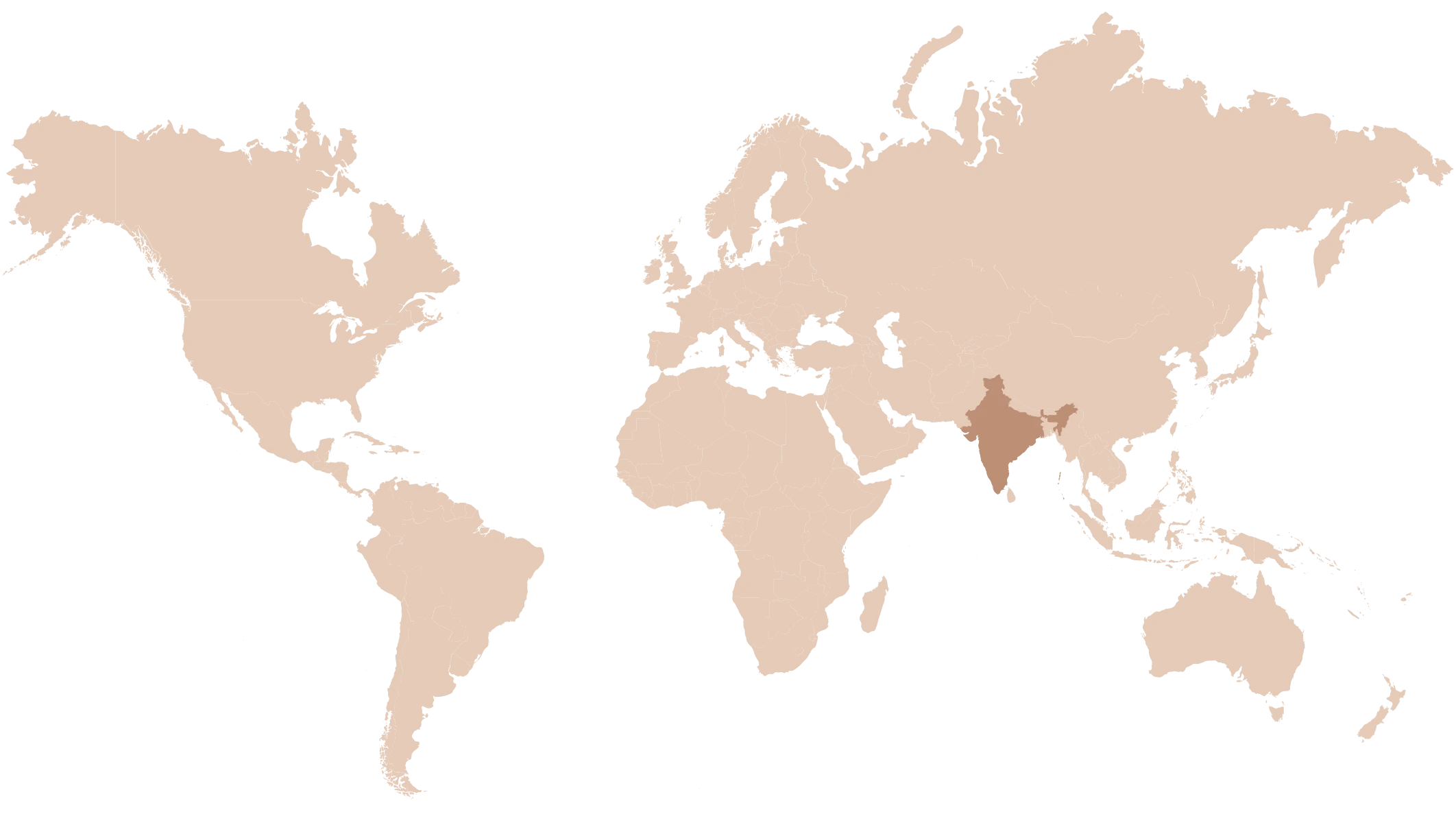
IUCN RED LIST
Established in 1964, The IUCN Red List is a critical indicator of the health of the world’s biodiversity. Species are classified by the IUCN Red List into nine groups, through criteria such as rate of decline, population size and area of geographic distribution as:
- Extinct (EX) – This species is no longer extant
- Extinct in the wild (EW) – Survives only in captivity, or through cultivation often outside native range
- Critically endangered (CR) – In an extremely critical state
- Endangered (EN) – Very high risk of extinction in the wild
- Vulnerable (VU) – At high risk of unnatural (human-caused) extinction
- Near Threatened (NT) – Close to being endangered in the near future
- Least Concern (LC) – Widespread and abundant in the wild
- Data Deficient (DD) – Inadequate information to assess extinction risk
- Not Evaluated (NE) – Has not yet been assessed



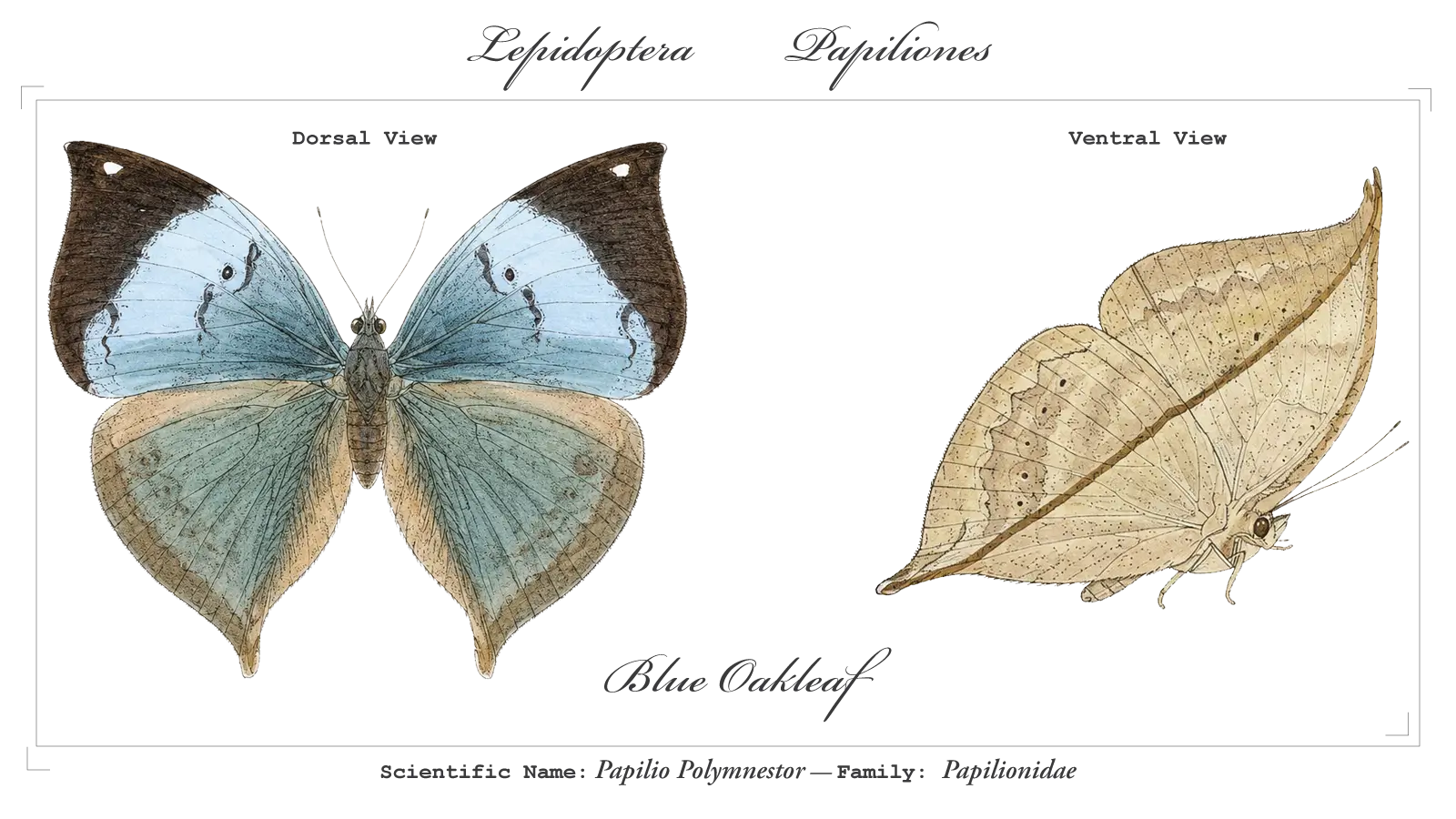
The upper side of the wings displays striking iridescent blue bands with dark brown borders in males, while females are slightly duller. The underside remarkably resembles a dry dead leaf complete with leaf veins, midrib patterns, and irregular markings, providing one of the finest examples of camouflage in butterflies.
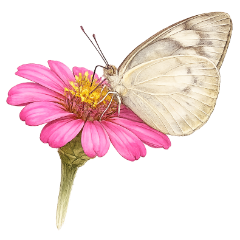
The Blue Oakleaf is usually shy and secretive in behaviour. It flies rapidly through forested areas but often rests quietly among dried leaves. When disturbed, it suddenly opens its wings to reveal brilliant colours before quickly hiding again. It is most active during sunny hours of the day.

The Blue Oakleaf is considered non-migratory, though local seasonal movement may occur in search of food resources and breeding habitats.

Breeding mainly occurs during monsoon and post-monsoon periods. Females lay eggs singly on host plants, particularly species belonging to the Acanthaceae family. Caterpillars feed on leaves and later form pupae attached to stems or leaves. Courtship involves fluttering flights and territorial displays by males.
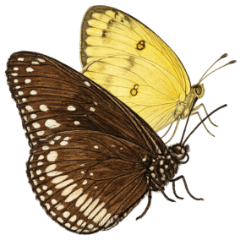
Exceptional leaf mimicry protects the butterfly from predators. Sudden flashing of bright blue wings can confuse predators. Strong camouflage allows it to blend perfectly with forest litter. Rapid flight helps in escaping birds and other threats.
Adult Blue Oakleaf butterflies mainly feed on tree sap, overripe fruits, and occasionally flower nectar. They are also attracted to fermenting fruits and moist ground. Caterpillars feed primarily on the foliage of host plants.

The Blue Oakleaf is commonly found in tropical and subtropical forests, forest edges, bamboo groves, secondary woodlands, and shaded gardens. It prefers humid habitats with dense vegetation and plenty of resting places among dry leaves and shrubs.