IUCN RED LIST
Established in 1964, The IUCN Red List is a critical indicator of the health of the world’s biodiversity. Species are classified by the IUCN Red List into nine groups, through criteria such as rate of decline, population size and area of geographic distribution as:
- Extinct (EX) – This species is no longer extant
- Extinct in the wild (EW) – Survives only in captivity, or through cultivation often outside native range
- Critically endangered (CR) – In an extremely critical state
- Endangered (EN) – Very high risk of extinction in the wild
- Vulnerable (VU) – At high risk of unnatural (human-caused) extinction
- Near Threatened (NT) – Close to being endangered in the near future
- Least Concern (LC) – Widespread and abundant in the wild
- Data Deficient (DD) – Inadequate information to assess extinction risk
- Not Evaluated (NE) – Has not yet been assessed



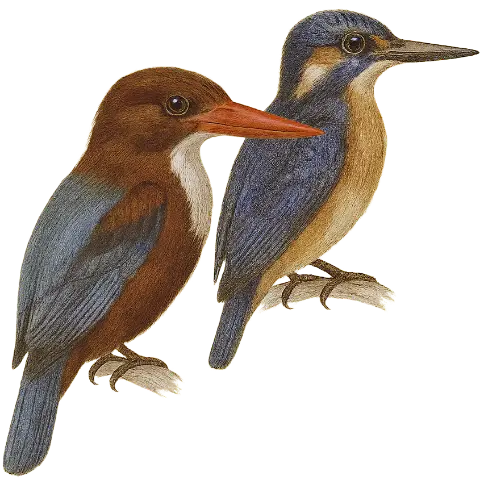

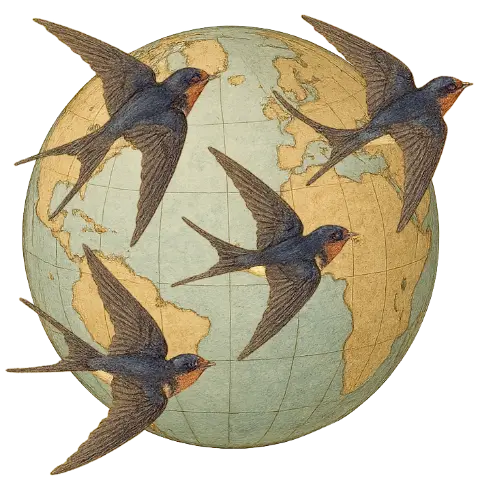


Yellow Eyed Babblers are rufous-brown, with whitish underparts and pale buff feathers on the sides. The head and back of the neck are a rich rufous shade that blends into a white throat and breast. The bright yellow to orange-yellow eye, surrounded by a white ring and a fine dark line through the lores, gives the bird a sharp and alert expression. The wings are rufous-brown and the long, stepped tail is brown above with whitish tips. Males and females look the same, while young birds or juveniles are paler with less sharply defined markings.
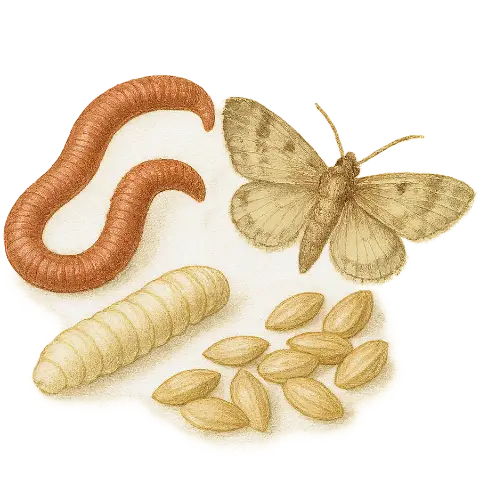
The Yellow Eyed Babbler feeds mainly on insects and other small invertebrates, including caterpillars, beetles and grasshoppers. It also eats small fruits, berries and seeds, especially outside the breeding season. It is an active and nimble forager, usually seen in pairs or small groups moving quickly through grasses, shrubs and reeds. The bird searches for prey by gleaning insects from leaves and stems, sometimes making short aerial sallies to catch insects in mid-air. Feeding activity peaks in the early morning and late afternoon. Its agile movements, hopping, climbing and clinging to grass blades, help it capture prey hidden within dense vegetation.
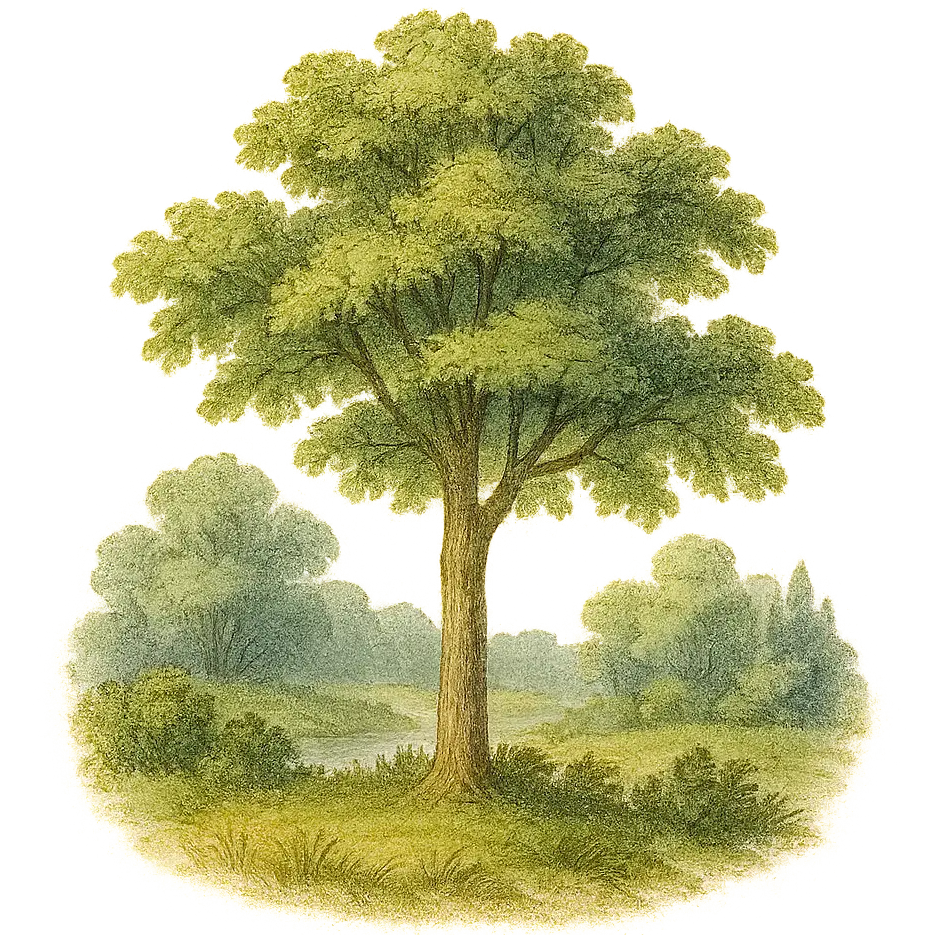
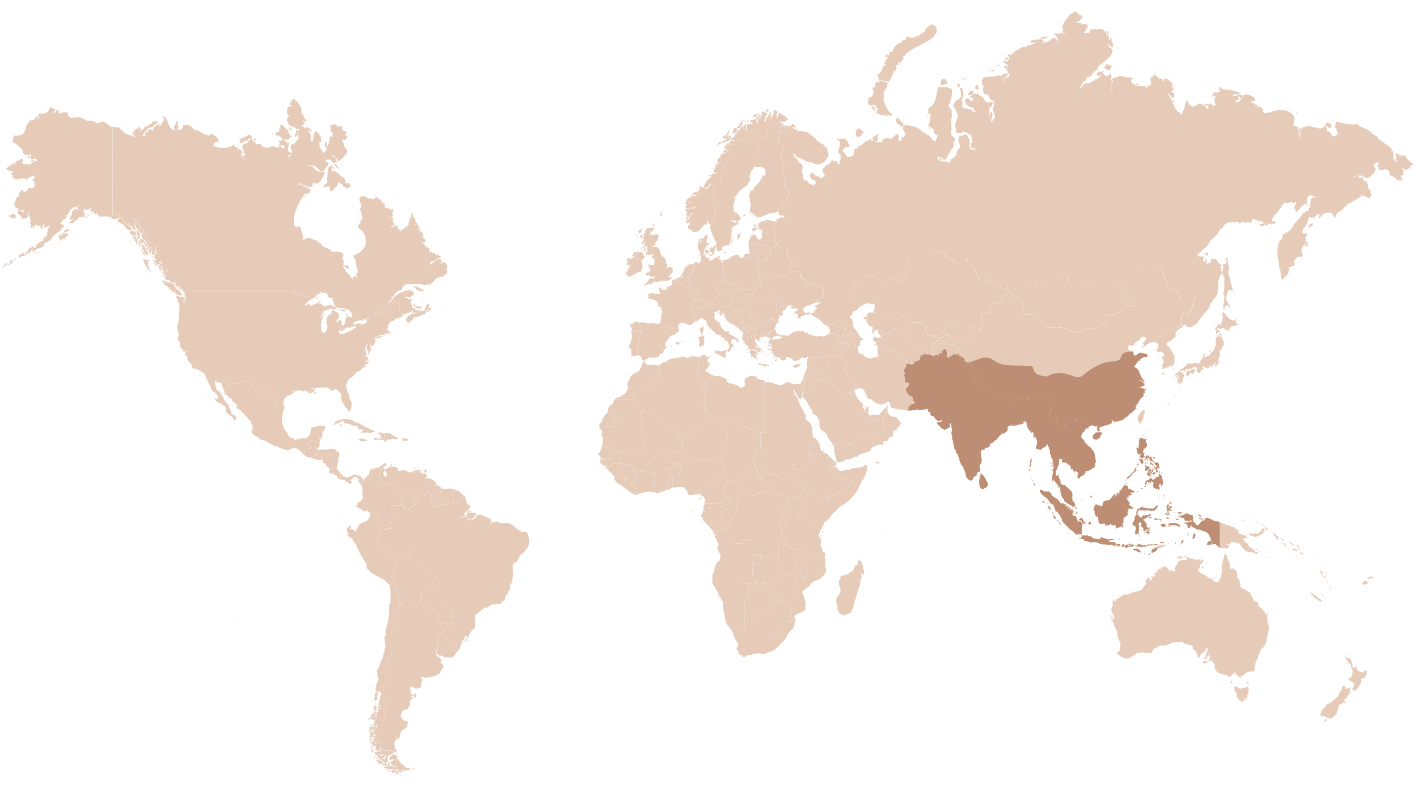
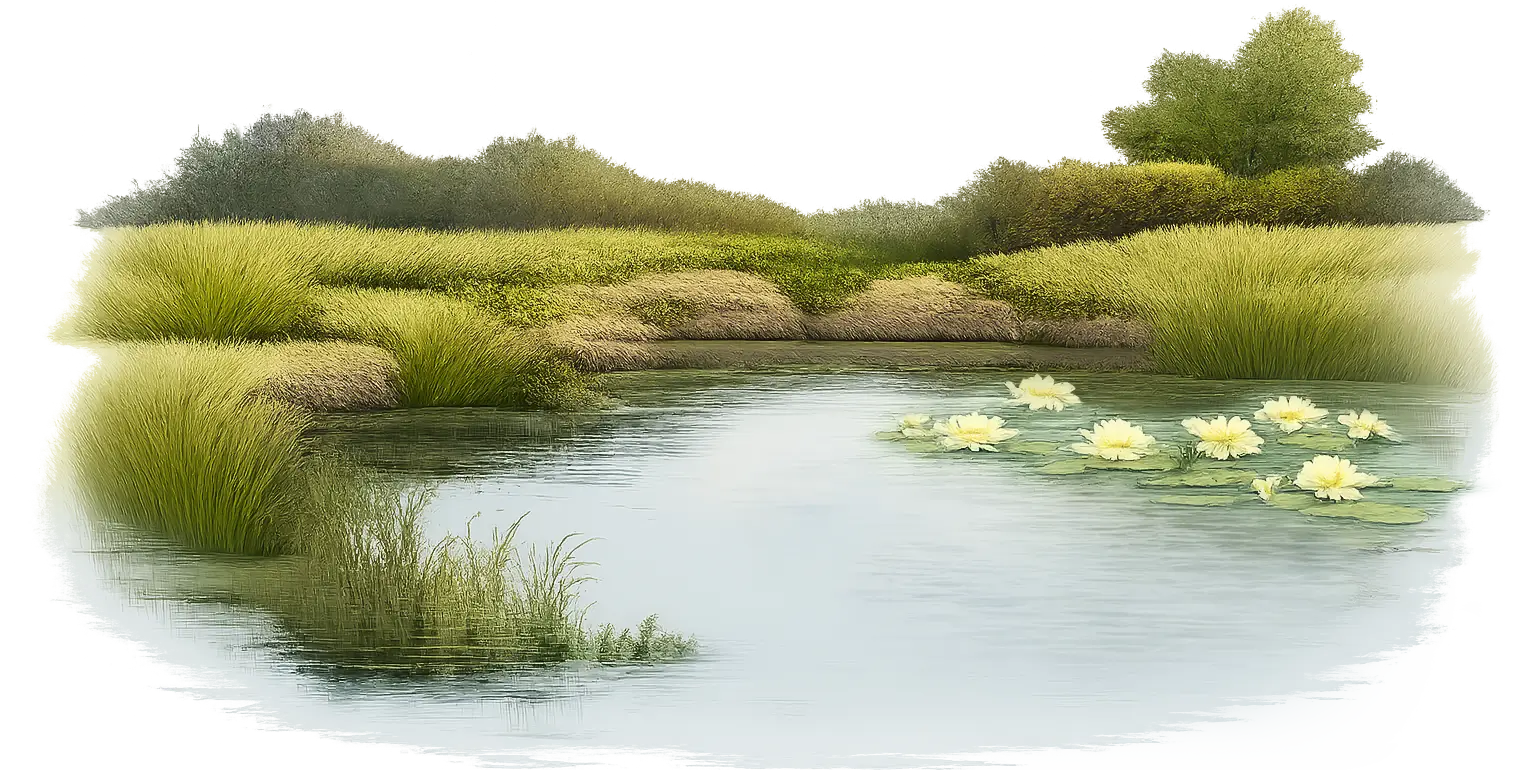
The Yellow Eyed Babbler can be found in grasslands, scrub jungles, reed beds, agricultural fields, open woodlands and wetlands, particularly areas with dense shrubs or tall grasses. While common in lowland regions, these birds can be found up to an altitude of 1,500 m. They have readily adapted to rural and semi-urban environments that are located near water sources.
Courtship Display: Pairs call to each other, chase playfully and perform short display flights. The male may offer bits of nesting material to the female, a behavior that helps strengthen their pair bond.
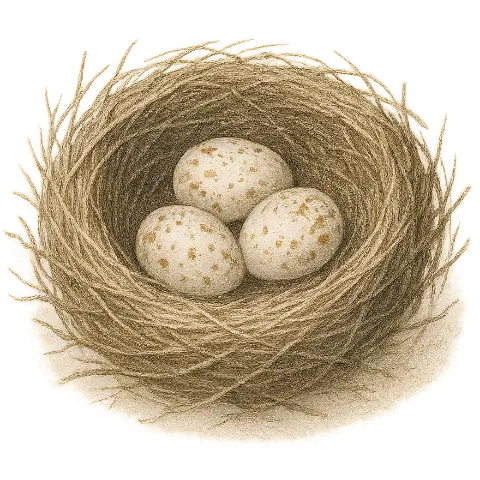
Nest: A deep cup-shaped nest made from grass, leaves and plant fibers is lined with soft materials like roots or cotton. The nest is placed low in tall grass, reeds or shrubs and is well hidden from predators.
Clutch Size: 3 to 5 glossy white eggs with reddish or brown speckles. Both parents share incubation and feed the chicks once they hatch. They are very vocal and defend their nesting area together.