IUCN RED LIST
Established in 1964, The IUCN Red List is a critical indicator of the health of the world’s biodiversity. Species are classified by the IUCN Red List into nine groups, through criteria such as rate of decline, population size and area of geographic distribution as:
- Extinct (EX) – This species is no longer extant
- Extinct in the wild (EW) – Survives only in captivity, or through cultivation often outside native range
- Critically endangered (CR) – In an extremely critical state
- Endangered (EN) – Very high risk of extinction in the wild
- Vulnerable (VU) – At high risk of unnatural (human-caused) extinction
- Near Threatened (NT) – Close to being endangered in the near future
- Least Concern (LC) – Widespread and abundant in the wild
- Data Deficient (DD) – Inadequate information to assess extinction risk
- Not Evaluated (NE) – Has not yet been assessed





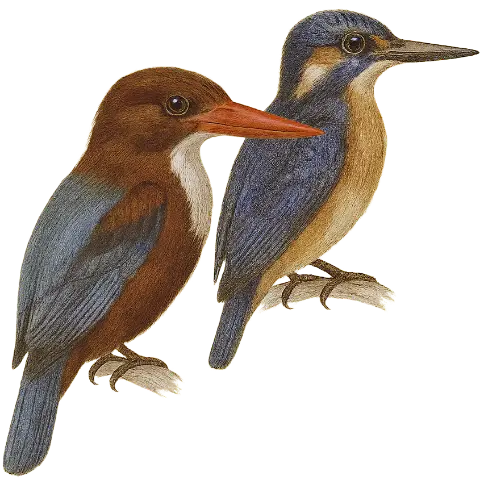




White Eared Bulbuls are medium-sized songbirds with clear and contrasting markings. Their upperparts are olive-brown to greyish-brown, while the underparts are pale whitish-grey. The head is black with a bright white patch behind the eye also called the "ear" marking that gives the species its name. The vent, which is the area under the tail, is a vivid yellow and stands out against the more muted body colours. The bill, legs and eyes are black. Males and females look alike, while young birds or juveniles are duller and have less distinct white ear patches.
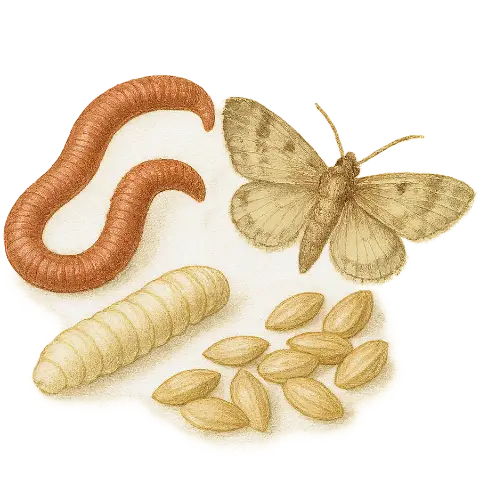
The White Eared Bulbul feeds on fruits, berries, flower nectar, seeds and insects. It is an active and adaptable forager, usually seen in pairs or small groups moving quickly among bushes, low trees and cultivated areas. The bird plucks fruits directly from branches and may also catch small insects, especially during the breeding season when chicks need extra protein. Curious and tolerant of human presence, it frequently visits gardens or chards and farmlands. By feeding on fruits and nectar, the species plays an important role in both seed dispersal and pollination within its habitat.

The White Eared Bulbul inhabits semi-arid regions, scrublands, gardens, date palm groves or chards and riverine vegetation. Highly adaptable, these birds can also be foud in urban and suburban areas with scattered trees and bushes. They ususally prefers dry, open habitats with access to water and fruiting vegetation.
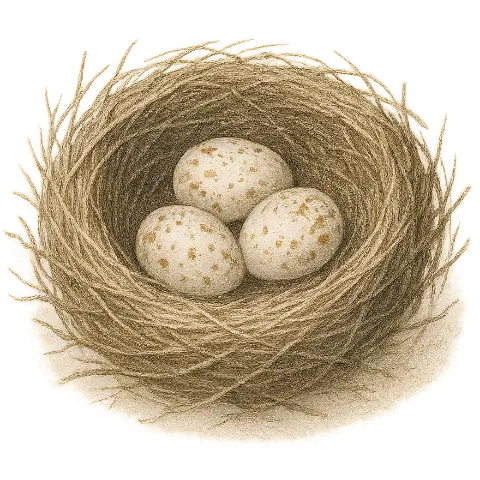
Courtship Display: Pairs call to each other, share food and gently preen one another's feathers.
Nest: A small cup-shaped nest made of dry grass, roots, twigs and plant fibers is lined with hair or feathers to cushion the eggs. It is usually hidden inside bushes or low trees, safely tucked among leaves.
Clutch Size: 2 to 4 pale pinkish eggs with reddish or brown spots. Both parents take turns warming the eggs and feeding the chicks insects and fruits. They stay alert and protective near the nest and often raise two broods in one breeding season.