IUCN RED LIST
Established in 1964, The IUCN Red List is a critical indicator of the health of the world’s biodiversity. Species are classified by the IUCN Red List into nine groups, through criteria such as rate of decline, population size and area of geographic distribution as:
- Extinct (EX) – This species is no longer extant
- Extinct in the wild (EW) – Survives only in captivity, or through cultivation often outside native range
- Critically endangered (CR) – In an extremely critical state
- Endangered (EN) – Very high risk of extinction in the wild
- Vulnerable (VU) – At high risk of unnatural (human-caused) extinction
- Near Threatened (NT) – Close to being endangered in the near future
- Least Concern (LC) – Widespread and abundant in the wild
- Data Deficient (DD) – Inadequate information to assess extinction risk
- Not Evaluated (NE) – Has not yet been assessed


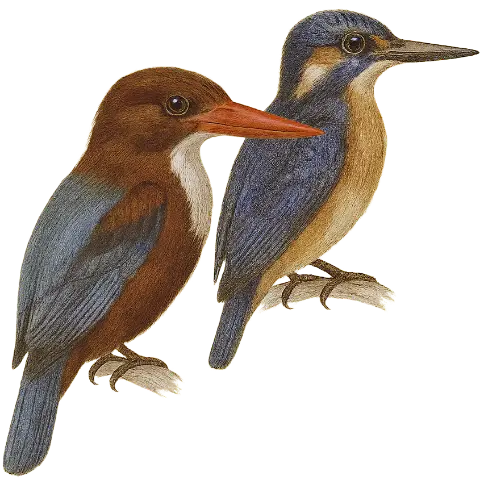
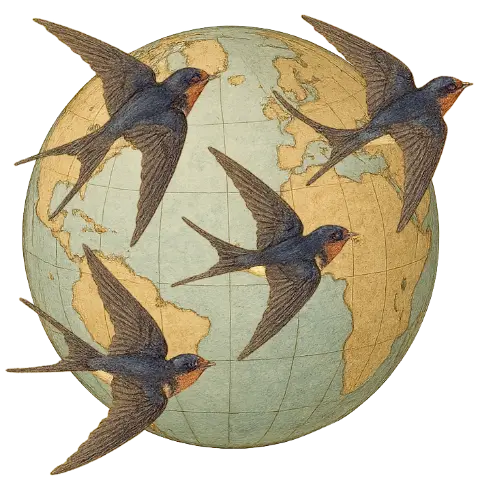


Thick-billed Flowerpeckers have olive-grey upperparts and pale buff or whitish underpart. Their bill is thick and dark, well-shaped for handling berries and small fruits. The eyes are dark brown and the legs are greyish. Males and females look the same, while young birds or juveniles are duller with less contrast between the upper and lower parts.
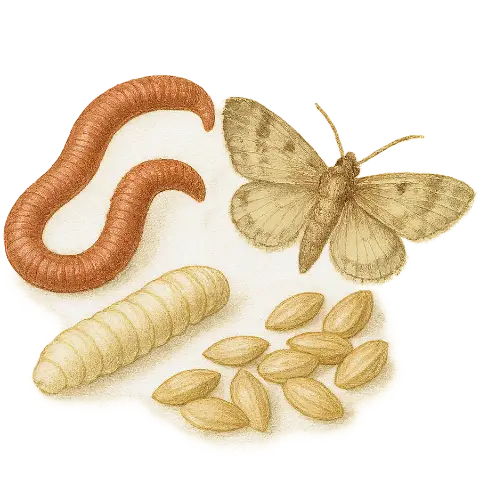
The Thick-billed Flowerpecker feeds primarily on small berries, especially mistletoe fruits. It is an active and agile forager, quickly moving among shrubs and tree canopies to pluck fruits directly from branches, sometimes hovering briefly to reach food. Along with fruits, it also consumes nectar, insects and spiders. By swallowing fruits and later dispersing seeds, the species plays an important role in supporting plant growth particularly for mistletoe species.
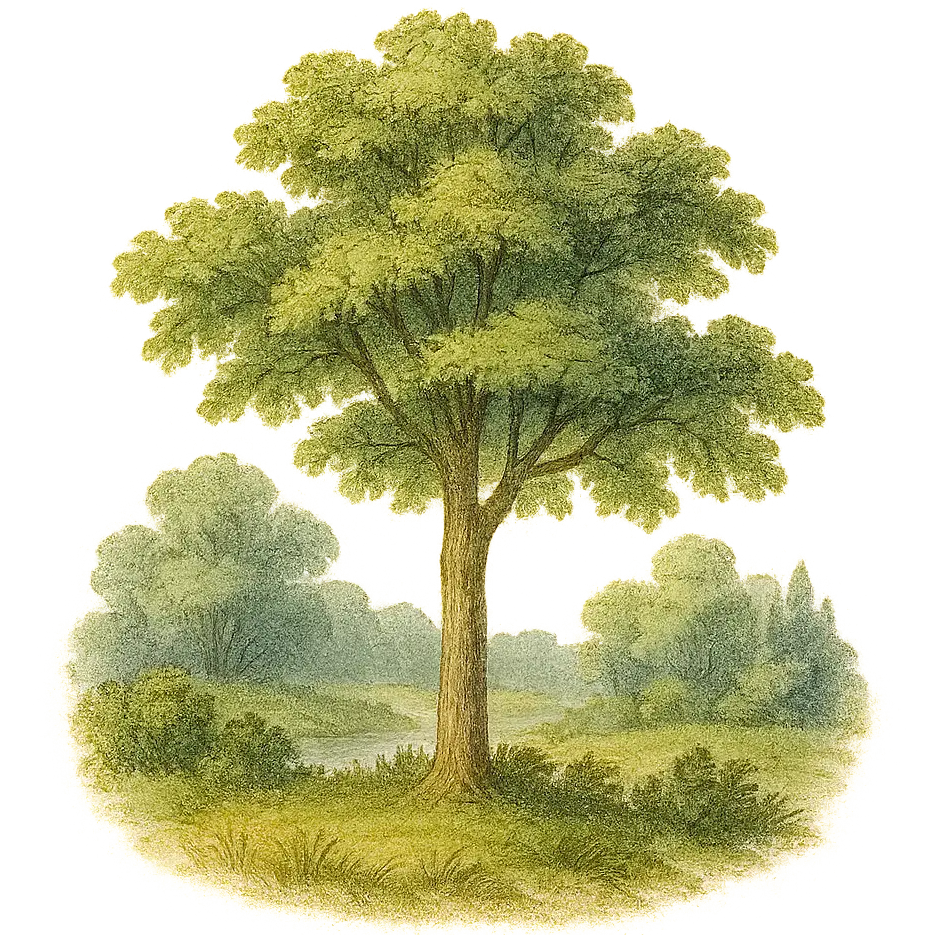
The Thick-billed Flowerpecker prefers open woodlands, gardens, plantations and edges of forests, especially areas with large number of fruiting trees like mistletoes and figs. It has adapted well to human-modified landscapes and is can also be seen in urban green spaces.
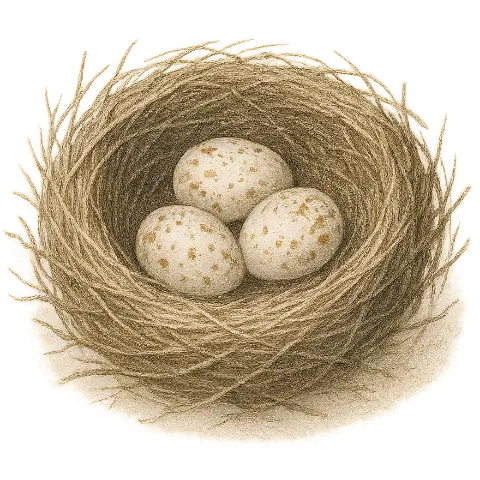
Nest: A hanging nest shaped like a small purse or pouch is made, suspended from the tips of thin branches or large leaves. The nest is carefully woven using plant fibers, spider webs and other soft materials to keep it lightweight yet secure.
Clutch Size: 2 to 4 eggs. Both parents work together to build the nest, warm the eggs and feed the chicks once they hatch.