IUCN RED LIST
Established in 1964, The IUCN Red List is a critical indicator of the health of the world’s biodiversity. Species are classified by the IUCN Red List into nine groups, through criteria such as rate of decline, population size and area of geographic distribution as:
- Extinct (EX) – This species is no longer extant
- Extinct in the wild (EW) – Survives only in captivity, or through cultivation often outside native range
- Critically endangered (CR) – In an extremely critical state
- Endangered (EN) – Very high risk of extinction in the wild
- Vulnerable (VU) – At high risk of unnatural (human-caused) extinction
- Near Threatened (NT) – Close to being endangered in the near future
- Least Concern (LC) – Widespread and abundant in the wild
- Data Deficient (DD) – Inadequate information to assess extinction risk
- Not Evaluated (NE) – Has not yet been assessed






Spot-billed Ducks have attractive plumage. Their body is greyish-brown with dark scaly markings and the wings show a clear green patch called a speculum, edged in white and noticeable during flight. The bill has a yellow tip with a black base and central patch, which gives the species its name. The head is pale with a dark crown and a stripe through the eye. Males and females look very similar, though males may show slightly brighter colours in the breeding season. Young birds or juveniles are duller with softer patterns.
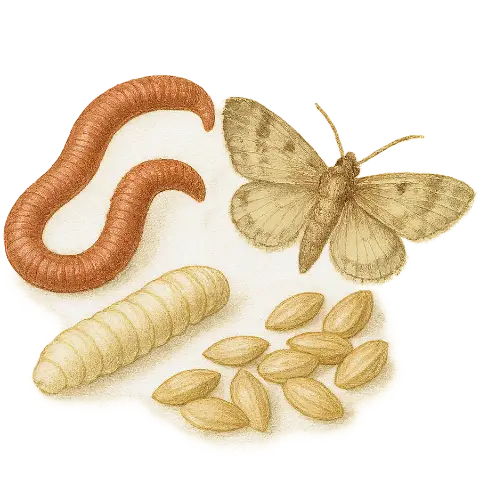
The Spot-billed Duck feeds on a mix of aquatic plants, seeds, grains, snails, insects and small fish. It is an opportunistic feeder, most often seen foraging in shallow wetlands, ponds, marshes and flooded fields. The duck primarily feeds by dabbling at the surface or up-ending, dipping its head underwater while its tail remains up to reach food below. Its broad, flat bill is adapted for filtering food from mud and shallow water. Spot-billed Ducks frequently forage in flooded rice fields, where they also help control insect populations, making them beneficial to agricultural areas.

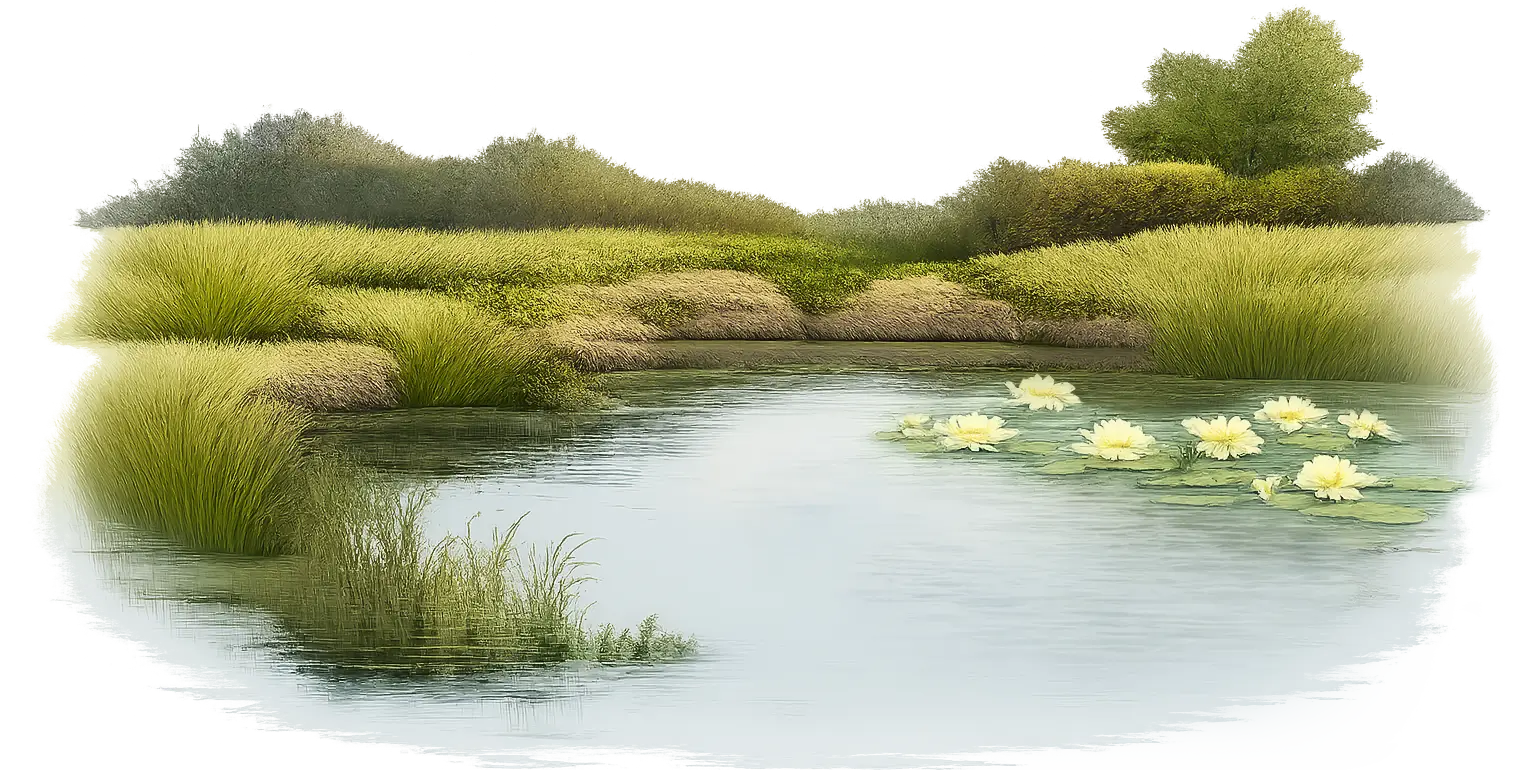
The Spot-billed Duck thrives in freshwater wetlands, including lakes, ponds, paddy fields, marshes and slow-flowing rivers. It prefers open water bodies with abundant aquatic vegetation and can live in both lowland plains and high-altitude wetlands.
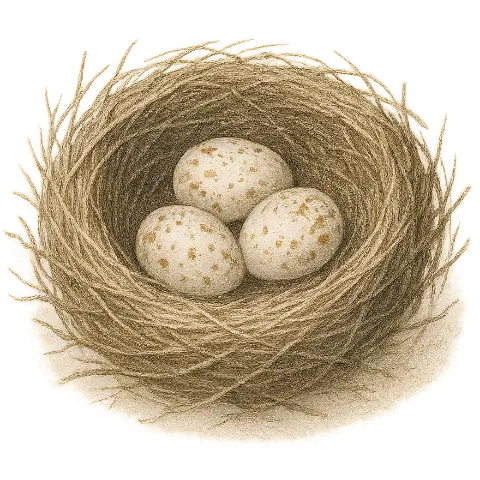
Nest: The nest is built on the ground hidden among tall grass or reeds close to water. It is well-camouflaged to protect it from predators.
Clutch Size: 7 to 12 creamy-white eggs are incubated (kept warm) for about 24 to 26 days. The ducklings hatch with open eyes and covered in down (this is called being precocial), so they can swim and peck at food soon after birth. The mother stays close to guide and guard them, while the father also helps defend the young.