IUCN RED LIST
Established in 1964, The IUCN Red List is a critical indicator of the health of the world’s biodiversity. Species are classified by the IUCN Red List into nine groups, through criteria such as rate of decline, population size and area of geographic distribution as:
- Extinct (EX) – This species is no longer extant
- Extinct in the wild (EW) – Survives only in captivity, or through cultivation often outside native range
- Critically endangered (CR) – In an extremely critical state
- Endangered (EN) – Very high risk of extinction in the wild
- Vulnerable (VU) – At high risk of unnatural (human-caused) extinction
- Near Threatened (NT) – Close to being endangered in the near future
- Least Concern (LC) – Widespread and abundant in the wild
- Data Deficient (DD) – Inadequate information to assess extinction risk
- Not Evaluated (NE) – Has not yet been assessed





Indian Pond Herons change appearance with the seasons. During the breeding season, they have a mostly white plumage with long, delicate feathers on the crown and neck. In the non-breeding season, their head, neck and back show brown streaks that help them blend in with their surroundings. The wings and tail stay white throughout the year and are very noticeable when the bird takes flight. They have bright yellow eyes and legs and a slender pale yellow bill with a dark tip.
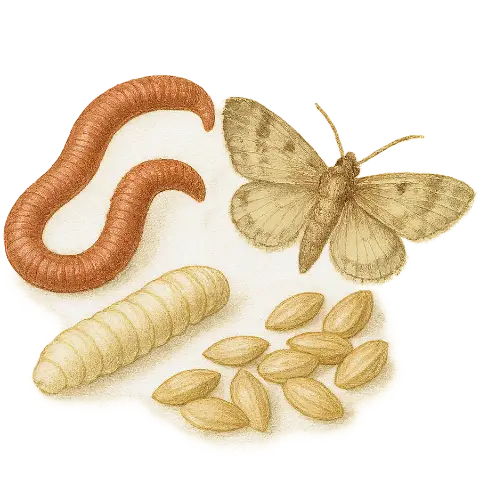
The Indian Pond Heron is a patient and stealthy feeder that hunts mainly alone in shallow wetlands such as ponds, marshes and paddy fields. It relies on a sit-and-wait strategy, standing motionless at the water's edge until prey comes close, then striking swiftly with its bill. Its brown, streaked plumage allows it to blend in with the surroundings, helping it approach prey unnoticed. The species primarily feeds on fish, crustaceans, insects and small amphibians. Its diet can shift seasonally so it is feeding more on aquatic insects like dragonflies and damselflies during warmer months and switching to fish and crustaceans during the monsoon when they are more abundant. This flexible feeding behaviour allows the Indian Pond Heron to take advantage of changing food conditions in wetland environments.
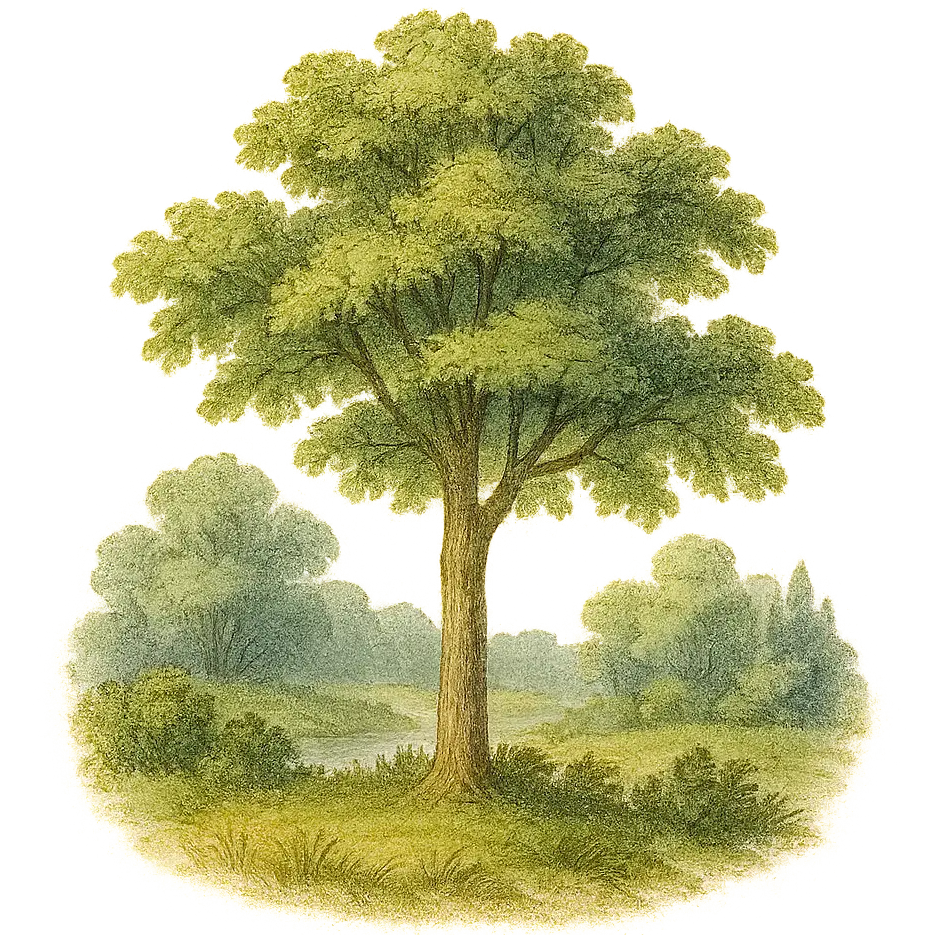
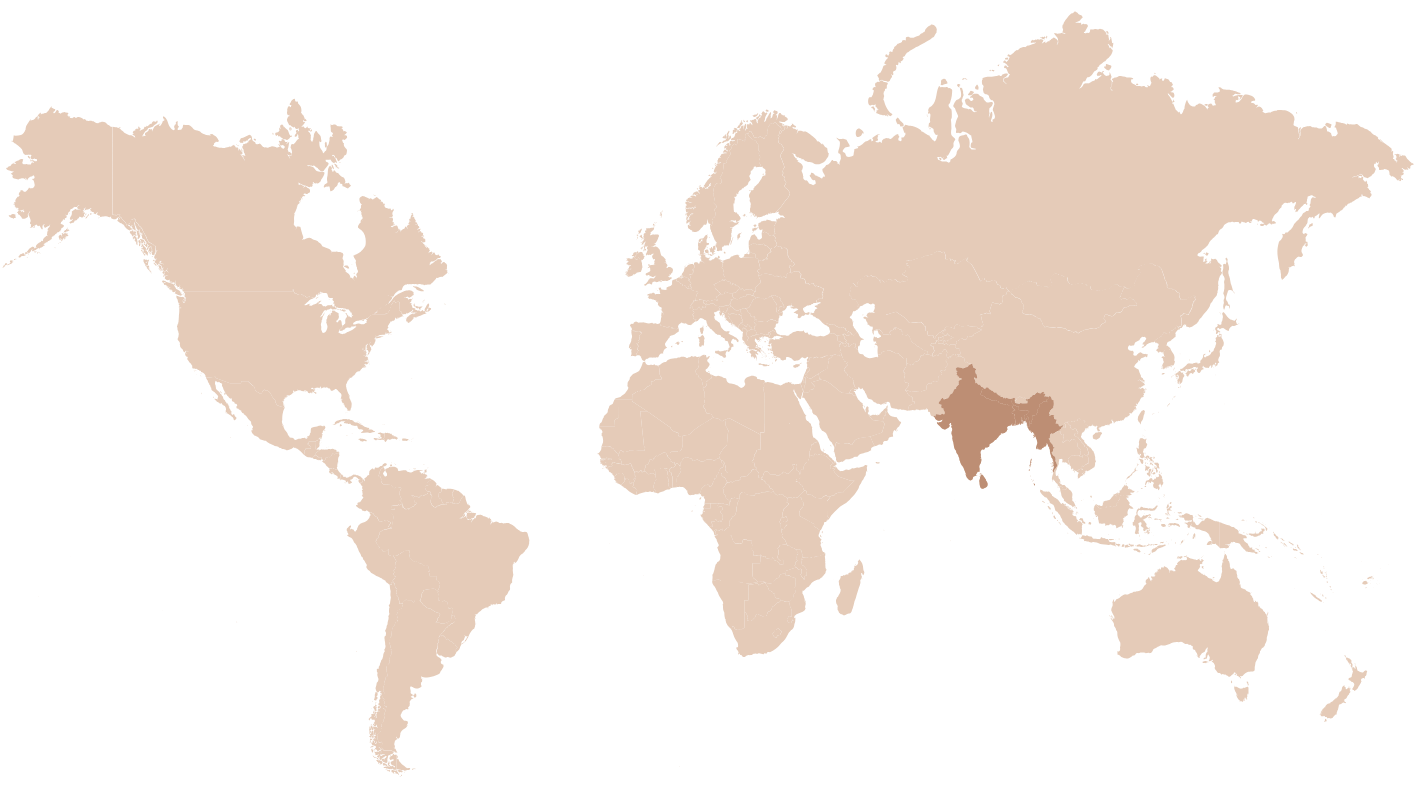
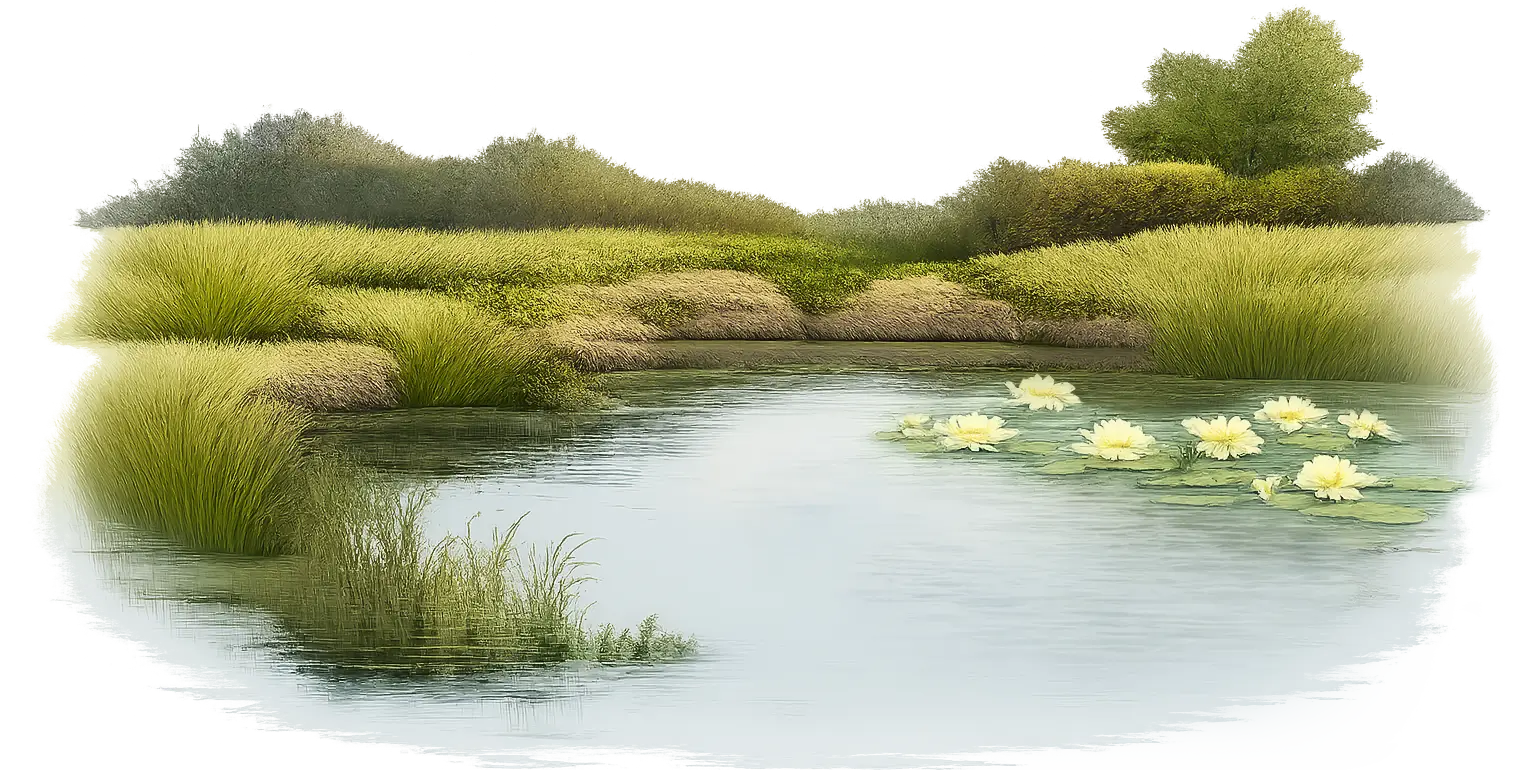
The Indian Pond Heron can reside in a wide range of wetlands like ponds, marshes and riverbanks, as well as in paddy fields. This adaptability allows it to thrive in both natural and human-made environments, including villages and urban areas that have both trees and water bodies.
Courtship Display: Males perform noticeable courtship displays, including special flight patterns and calls. These actions show their strength and help attract a mate. Displays also help establish their territory and bond with the female.
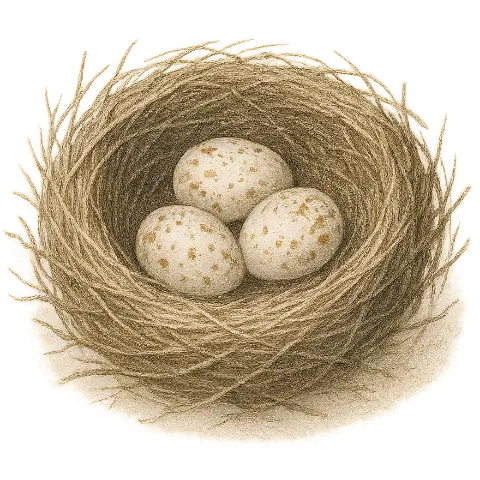
Nest: Indian Pond-Herons often gather in small breeding groups, even though they are mostly solitary at other times. They nest close to water bodies like ponds, lakes and marshes. The nest is a simple platform made of sticks and twigs, usually placed in trees or shrubs. Nesting near water helps finding food like fish, frogs and insects close by.