IUCN RED LIST
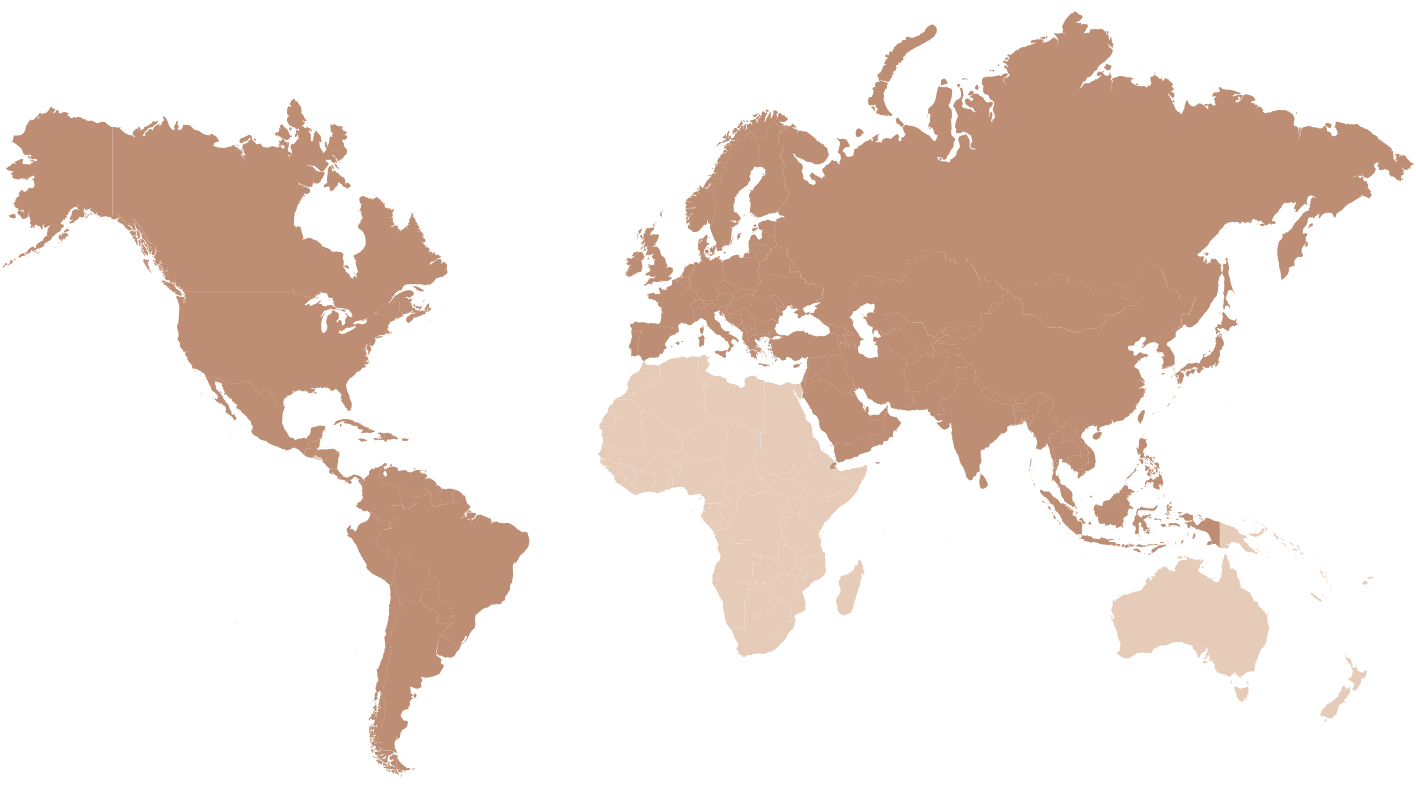
Established in 1964, The IUCN Red List is a critical indicator of the health of the world’s biodiversity. Species are classified by the IUCN Red List into nine groups, through criteria such as rate of decline, population size and area of geographic distribution as:
- Extinct (EX) – This species is no longer extant
- Extinct in the wild (EW) – Survives only in captivity, or through cultivation often outside native range
- Critically endangered (CR) – In an extremely critical state
- Endangered (EN) – Very high risk of extinction in the wild
- Vulnerable (VU) – At high risk of unnatural (human-caused) extinction
- Near Threatened (NT) – Close to being endangered in the near future
- Least Concern (LC) – Widespread and abundant in the wild
- Data Deficient (DD) – Inadequate information to assess extinction risk
- Not Evaluated (NE) – Has not yet been assessed




Often seen around human settlements, the House Sparrow is a small bird. Males have grey crowns, chestnut-brown upperparts with black streaks and a bold black patch on the throat and upper chest called a bib. The cheeks are pale and the underparts are greyish. Females lack the black bib and chestnut crown; they are brown above with darker streaks and have a pale buff eyebrow that gives a softer look. The bill is stout and perfectly shaped for cracking seeds. Young birds or juveniles look like females but are even paler and more uniformly brown until they mature.
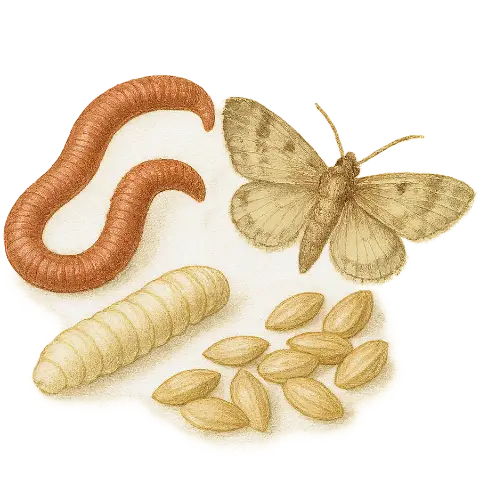
The House Sparrow eats mostly seeds and grains, but is highly adaptable and opportunistic. In rural areas, it feeds on spilled grain and seeds from fields; in cities, it often scavenges for scraps, bread or leftovers near human dwellings. In summer, adults also eat insects like beetles, caterpillars, flies and ants. These are also feed these to young chicks, since insects are rich in protein which is necessary for growth. House Sparrows often forage on the ground or near buildings, hopping and scratching for seeds or crumbs and may gather in flocks or around bird-feeders.
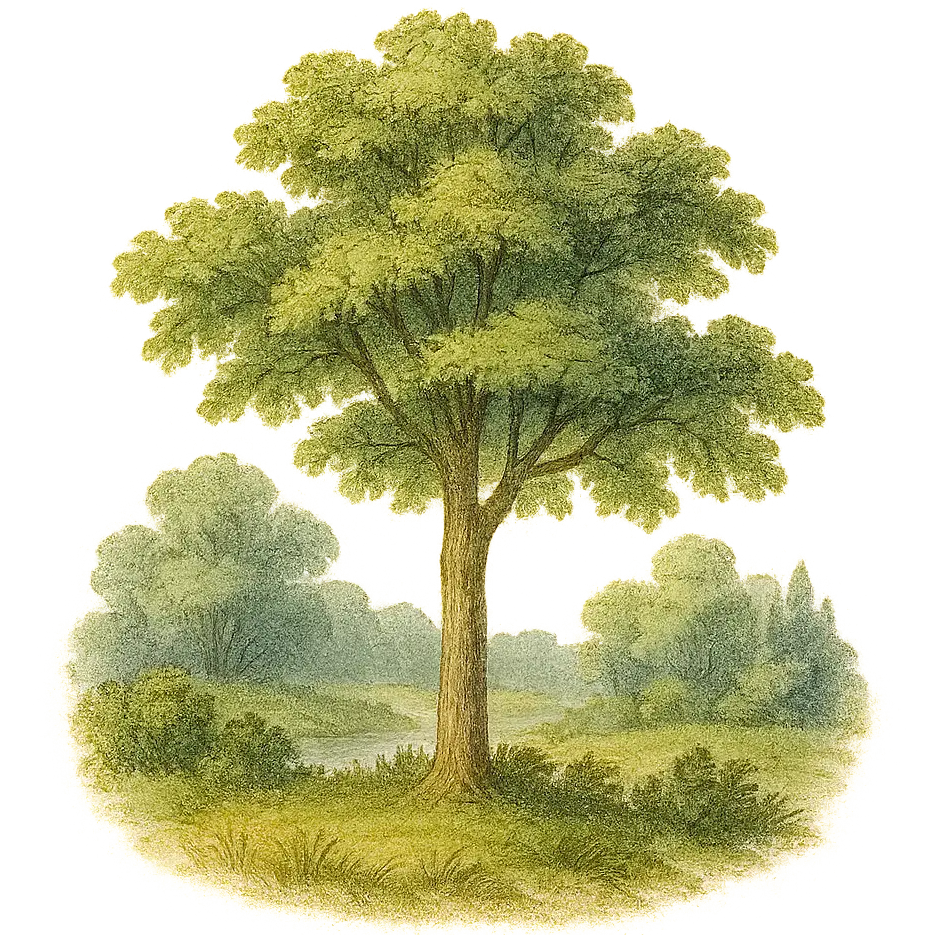
Well adapted to living around humans, the House Sparrow can nest in factories, warehouses and homes. Tolerant of a variety of climates, this bird prefers drier conditions and has evolved to have a high salt tolerance and an ability to survive without water by ingesting berries. Notably, the only terrestrial habitats that the house sparrow does not inhabit are dense forest and tundra.
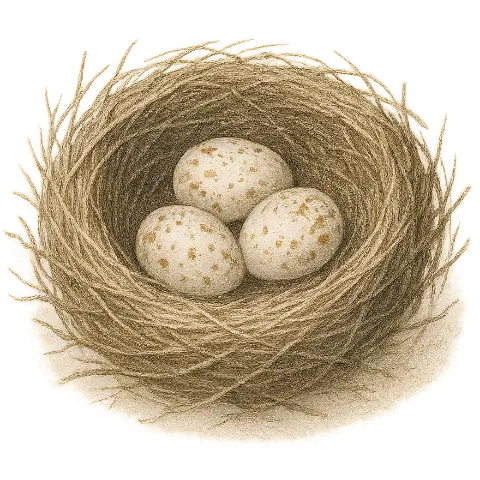
Nest: Nests are built in small holes or cavities in walls, under roof-eaves, in unused spaces in buildings or sometimes in tree holes. They also readily use nest-boxes if available and favour places close to people.
Clutch Size: Usually 4 to 5 eggs per clutch. Eggs are white, bluish-white or greenish-white with brown or grey spots. Incubation lasts about 11 to 14 days. Both parents feed the young.