IUCN RED LIST
Established in 1964, The IUCN Red List is a critical indicator of the health of the world’s biodiversity. Species are classified by the IUCN Red List into nine groups, through criteria such as rate of decline, population size and area of geographic distribution as:
- Extinct (EX) – This species is no longer extant
- Extinct in the wild (EW) – Survives only in captivity, or through cultivation often outside native range
- Critically endangered (CR) – In an extremely critical state
- Endangered (EN) – Very high risk of extinction in the wild
- Vulnerable (VU) – At high risk of unnatural (human-caused) extinction
- Near Threatened (NT) – Close to being endangered in the near future
- Least Concern (LC) – Widespread and abundant in the wild
- Data Deficient (DD) – Inadequate information to assess extinction risk
- Not Evaluated (NE) – Has not yet been assessed



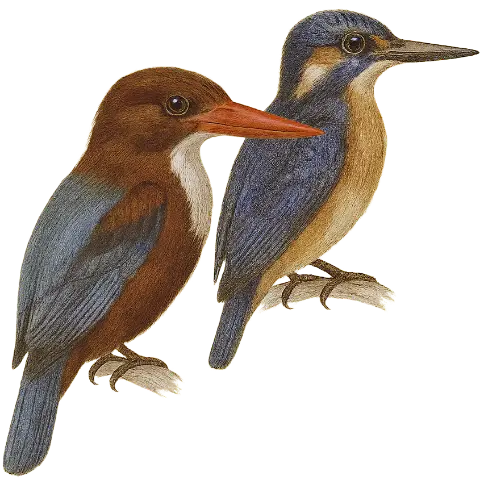

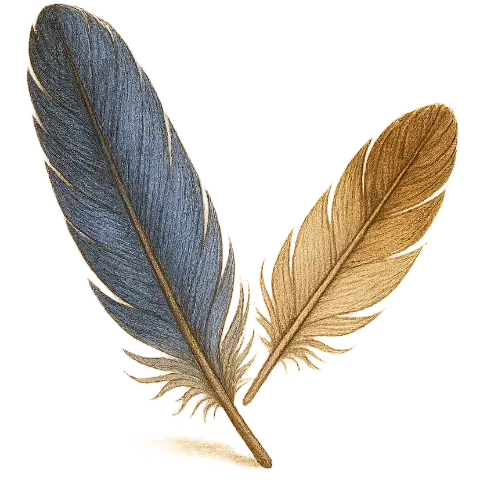
Greater Crow Pheasants also called Greater Coucals have a bold contrast of plumage colours. Adults have a shiny black head, body and tail, with rich chestnut wings. Their bright red eyes stand out clearly, especially in sunlight. Young birds also called juveniles are duller, with brown feathers that show faint barring.
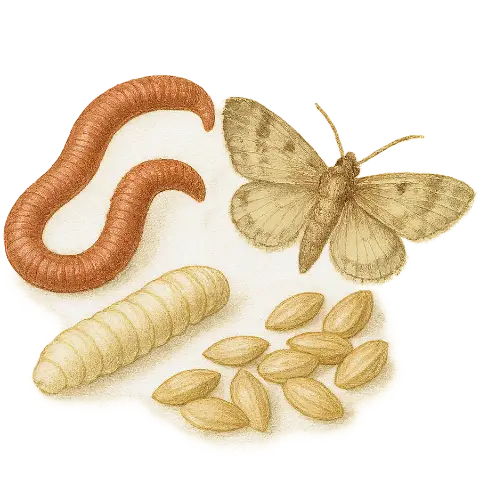
The Greater Crow Pheasant is an opportunistic feeder, mainly hunting on the ground or within low vegetation. It moves slowly and quietly while using its strong bill to probe leaf litter, undergrowth or shallow water for prey. Its diet includes insects, small vertebrates such as frogs, lizards and snakes, as well as eggs and occasional fruits. The bird typically forages alone and prefers to feed during the early morning and late afternoon, avoiding the hottest hours of the day.
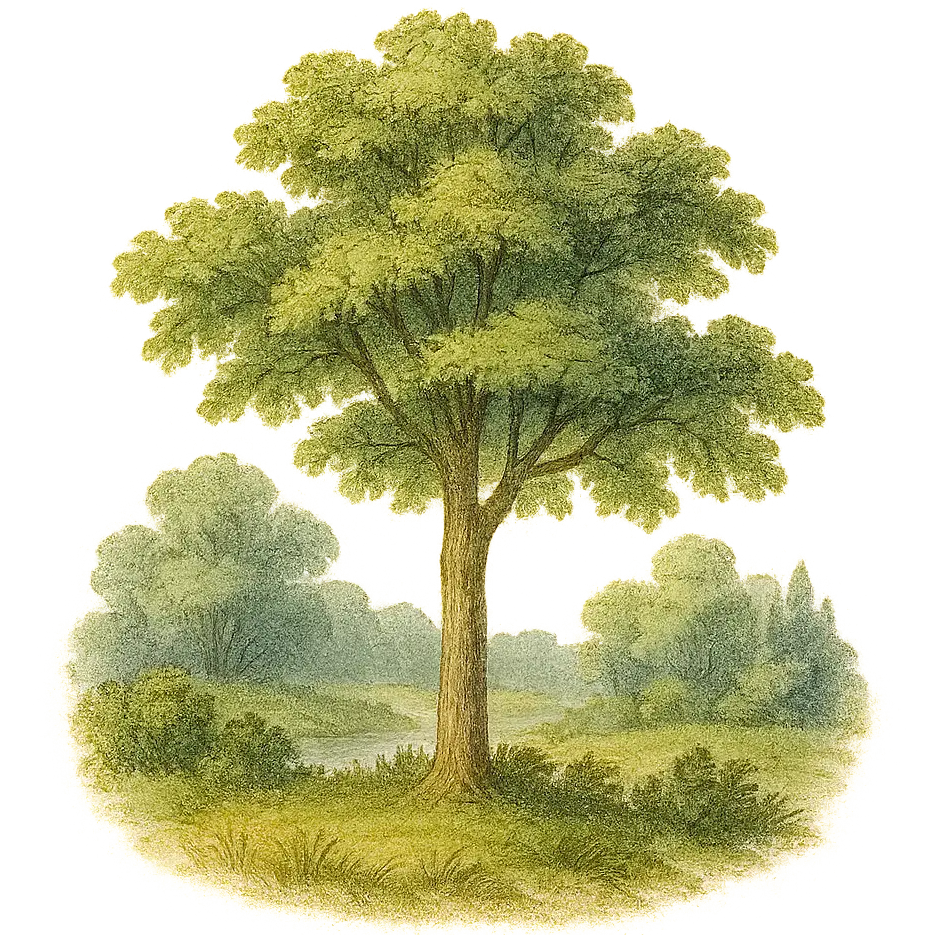
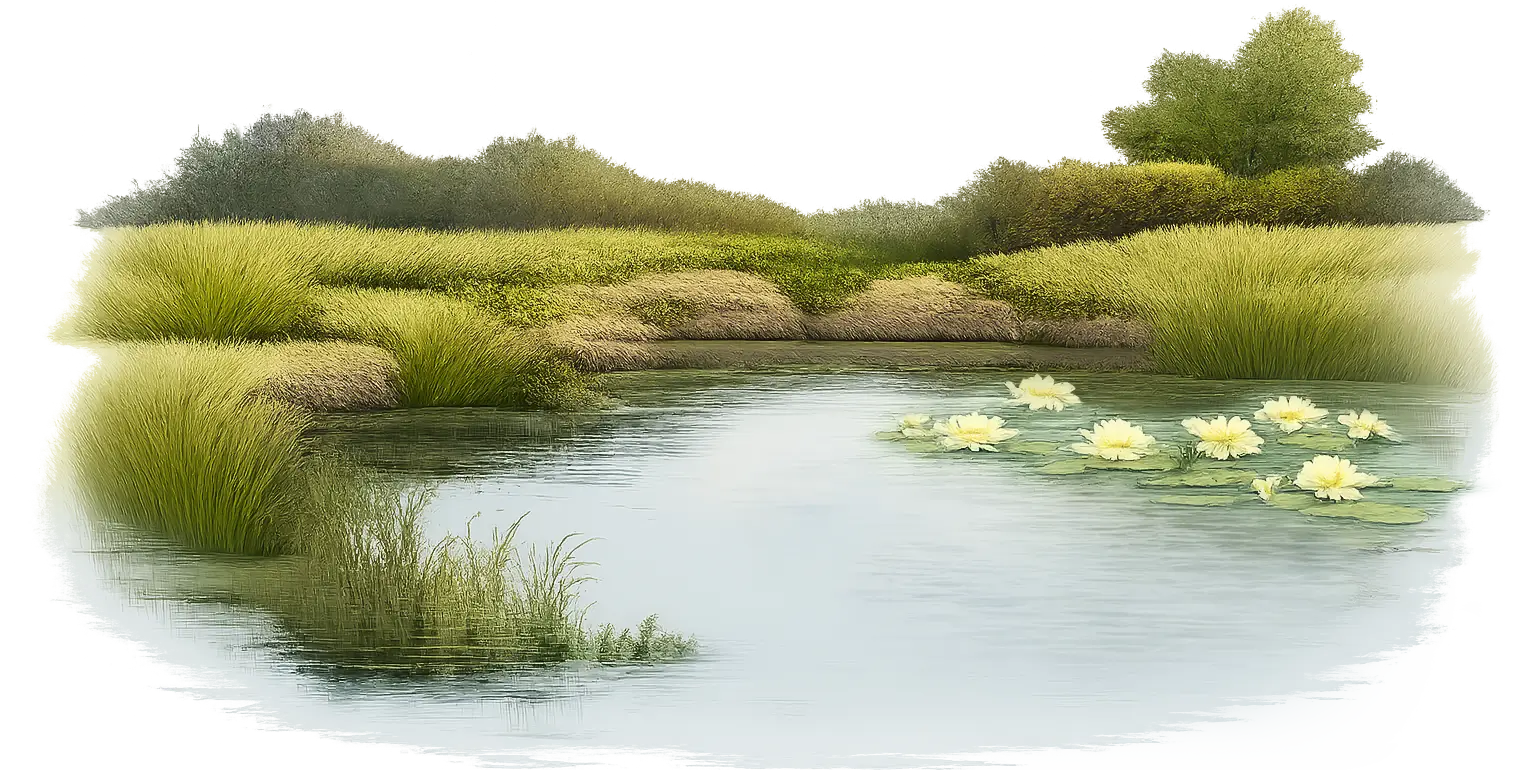
The Greater Crow Pheasant inhabits grasslands, scrub forests, agricultural areas, mangroves and urban gardens, preferring areas of dense undergrowth near water sources.
Courtship Display: Greater Coucals are monogamous, mating for life. Courtship includes the male offering food to the female and following her closely on the ground. The female may lower her wings and tail to show acceptance.
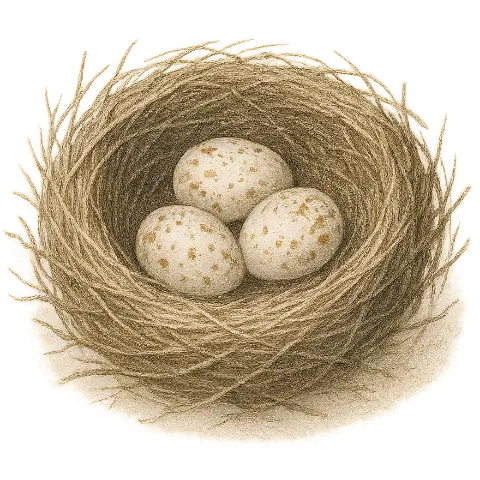
Nest: A deep, cup-shaped nest with a leafy dome on top is built inside thick vegetation such as creepers, bamboo clumps or dense bushes, sometimes up to about 6 meters above the ground. The nest is made of leaves, grass and twigs and is well hidden to protect it from predators. The male does most of the construction.
Clutch Size: 3 to 5 white eggs. Both parents take turns incubating the eggs for around 15 to 16 days and feed the chicks. The young leave the nest after about 18 to 22 days but may remain nearby while still being fed.