IUCN RED LIST
Established in 1964, The IUCN Red List is a critical indicator of the health of the world’s biodiversity. Species are classified by the IUCN Red List into nine groups, through criteria such as rate of decline, population size and area of geographic distribution as:
- Extinct (EX) – This species is no longer extant
- Extinct in the wild (EW) – Survives only in captivity, or through cultivation often outside native range
- Critically endangered (CR) – In an extremely critical state
- Endangered (EN) – Very high risk of extinction in the wild
- Vulnerable (VU) – At high risk of unnatural (human-caused) extinction
- Near Threatened (NT) – Close to being endangered in the near future
- Least Concern (LC) – Widespread and abundant in the wild
- Data Deficient (DD) – Inadequate information to assess extinction risk
- Not Evaluated (NE) – Has not yet been assessed



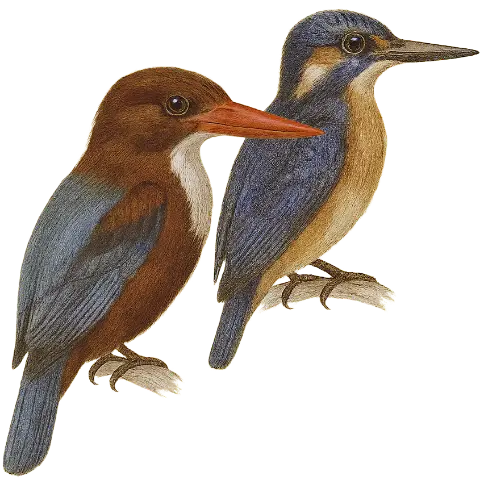

Eurasian Hoopoes are easy to recognize because of their colourful appearance and unique crest. They have a pinkish-brown or cinnamon-orange body, with bold black-and-white bars on the wings and tail. A tall crest of feathers on the head, tipped with black, can be raised or lowered depending on the bird's mood or alertness. Their broad, rounded wings give them a slow, butterfly-like flight. Males and females look mostly the same, though males may appear a little brighter during the breeding season.
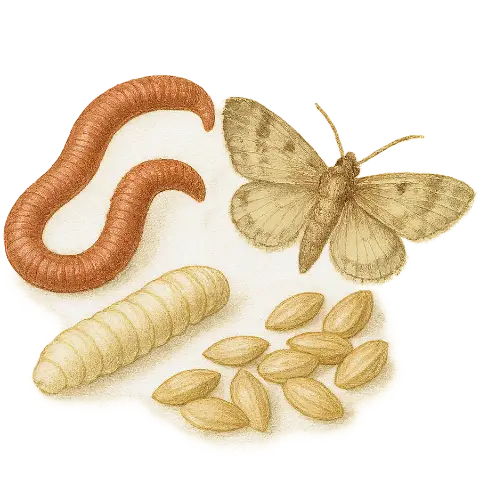
The Eurasian Hoopoe feeds mainly on insects, larvae and other small invertebrates. It is a ground forager, usually seen walking with a bobbing motion in open areas such as grasslands, fields and gardens. Using its long, slender, downward-curved bill, it probes the soil, leaf litter and even animal droppings to find hidden prey like beetles, crickets, worms and grasshoppers. It may flick prey into the air before swallowing. Feeding activity is highest during the morning and late afternoon, when insects are most active. The hoopoe also follows grazing animals to seize insects disturbed by their movement. It hunts primarily by sight and prefers open habitats where prey is easier to detect.
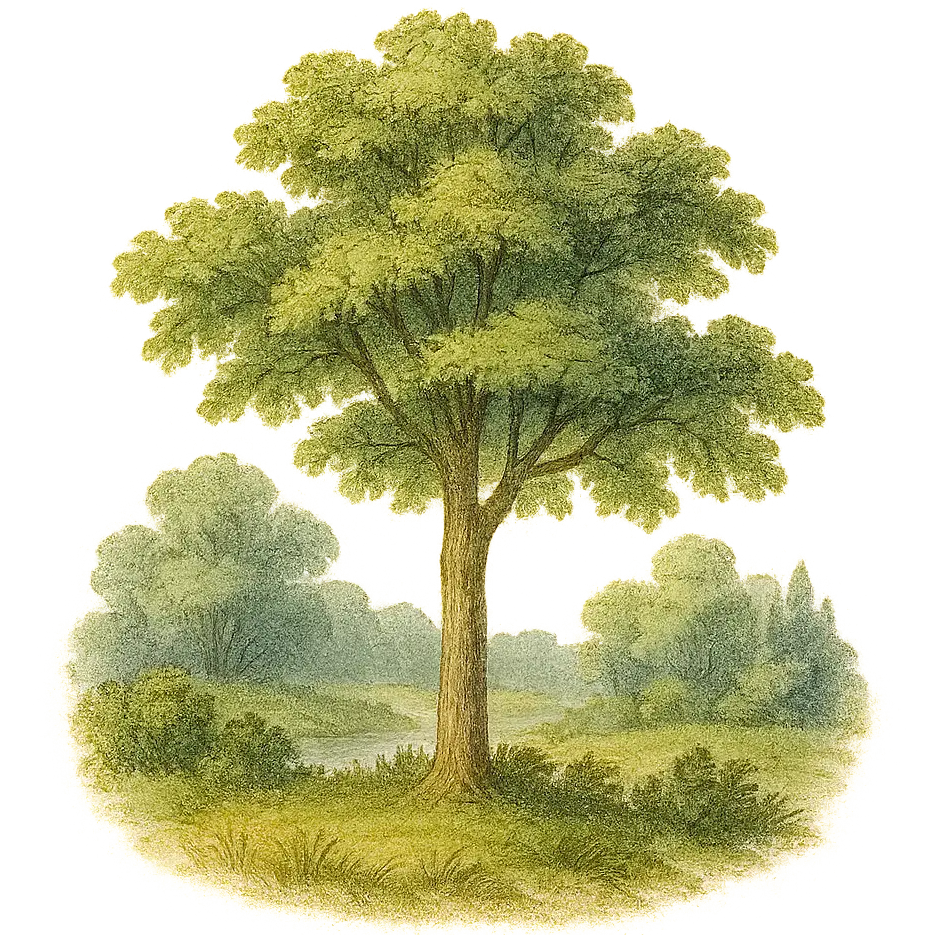
The Eurasian Hoopoe prefers open habitats such as grasslands or chards, savannas, farmland, scrublands and dry wooded areas. These habitats offer warm, temperate and tropical climate with soft soil suitable for probing insects. This bird avoids dense forests and deserts but is often seen near human settlements, especially in rural areas.
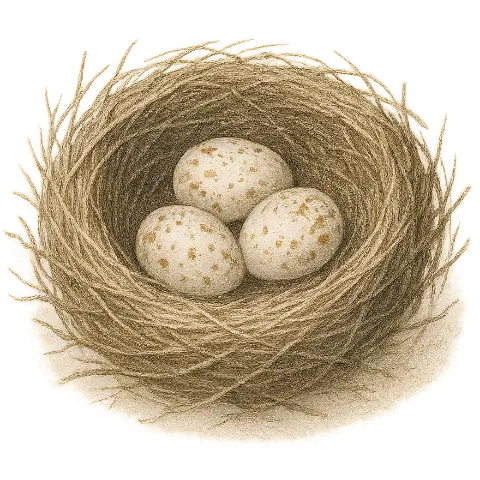
Nest: Hoopoes are cavity nesters, meaning they nest inside natural holes such as tree trunks, cracks in walls or cliff openings. They may also use nest boxes. The cavity is lined with a small amount of grass or leaves for comfort. A special feature of their nests is a strong odor produced by a secretion from a gland near the tail (uropygial gland). This smell is believed to help protect the nest from predators and parasites.
Clutch Size: 5 to 8 eggs. The female incubates the eggs for about 15 to 18 days while the male brings her food. After the chicks hatch, both parents feed them until they are ready to leave the nest, usually after 25 to 30 days.