IUCN RED LIST
Established in 1964, The IUCN Red List is a critical indicator of the health of the world’s biodiversity. Species are classified by the IUCN Red List into nine groups, through criteria such as rate of decline, population size and area of geographic distribution as:
- Extinct (EX) – This species is no longer extant
- Extinct in the wild (EW) – Survives only in captivity, or through cultivation often outside native range
- Critically endangered (CR) – In an extremely critical state
- Endangered (EN) – Very high risk of extinction in the wild
- Vulnerable (VU) – At high risk of unnatural (human-caused) extinction
- Near Threatened (NT) – Close to being endangered in the near future
- Least Concern (LC) – Widespread and abundant in the wild
- Data Deficient (DD) – Inadequate information to assess extinction risk
- Not Evaluated (NE) – Has not yet been assessed








Cattle Egrets are mostly white with a short, stocky build outside the breeding season. They have a yellow bill and grayish-yellow legs. During the breeding season, adults develop orange-buff feathers on the back, breast and crown, giving them a warmer look. At this time, the bill, legs and even the eyes can turn bright red or pinkish-orange. Young birds or juveniles are plain white and lack the colourful breeding plumes.
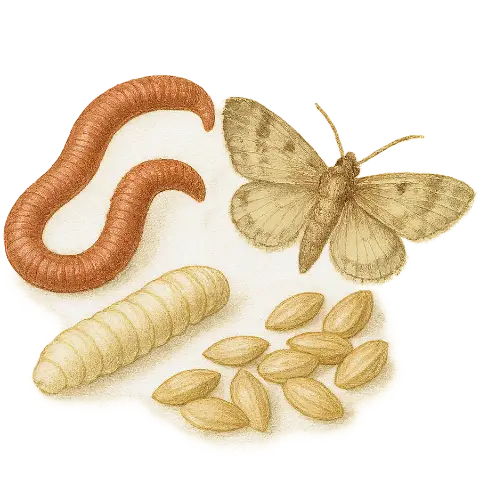
The Cattle Egret is a terrestrial forager commonly seen in open grasslands, farmlands and near grazing livestock. It follows cattle, buffaloes or even tractors, catching insects and small animals that are disturbed by their movement. In these habitats, its diet mainly consists of insects, including dragonflies, grasshoppers and beetles. The egret uses a slow walk-and-stalk method, moving patiently before striking quickly with its sharp bill to seize prey. In aquatic habitats, it broadens its diet to include amphibians along with insects. This flexible feeding behavior enables the Cattle Egret to thrive in a range of environments where food is plentiful.
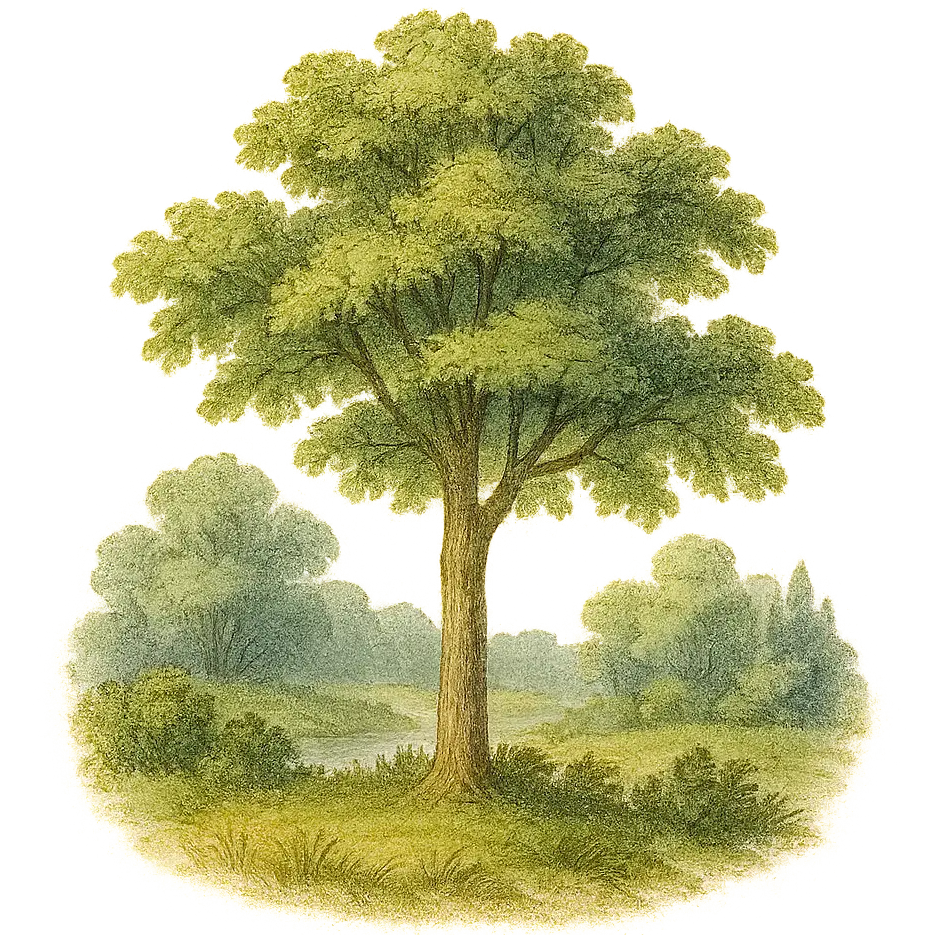
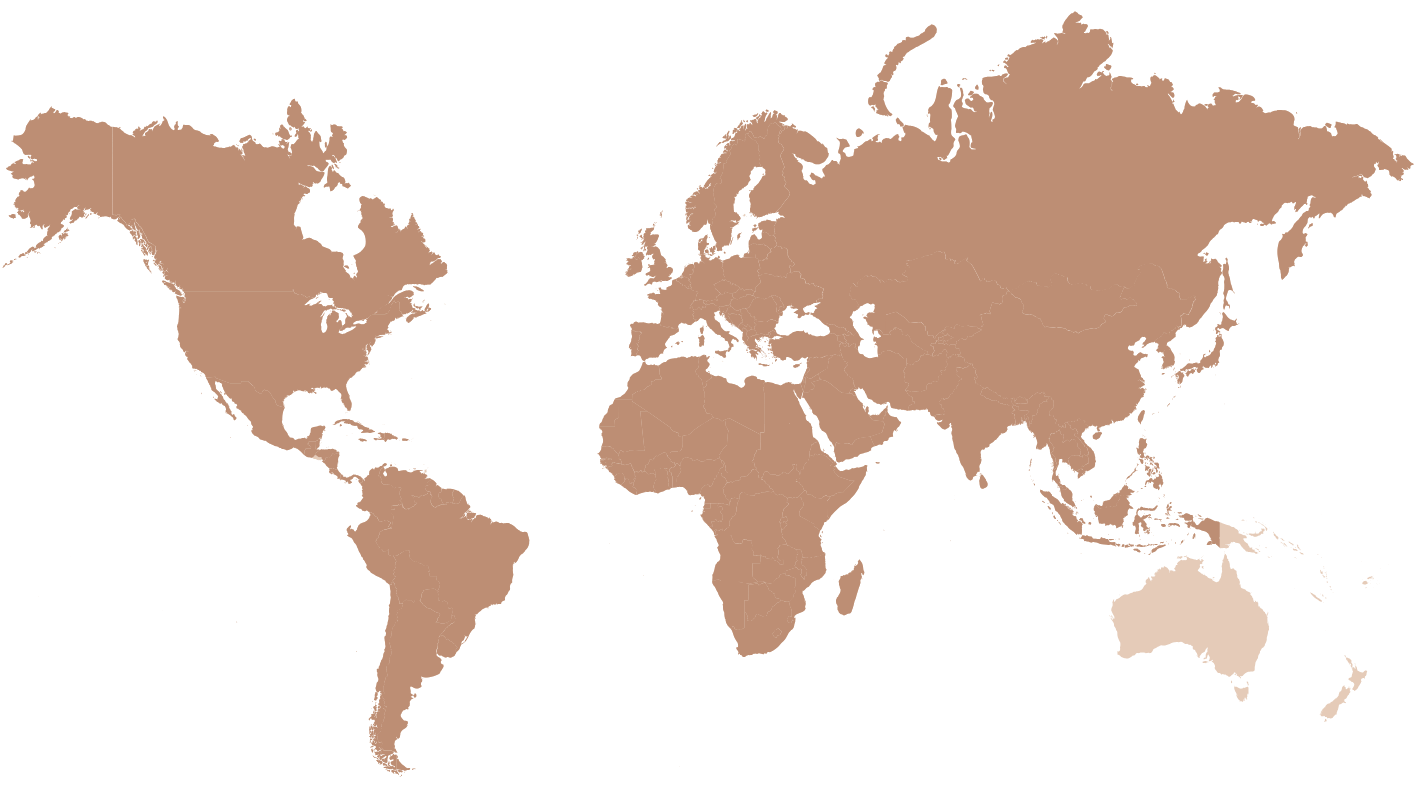
The Cattle Egret is a cosmopolitan species of heron, found in the tropical, subtrophic and warm temprate zones, where it has adapted to diverse terrestrial and aquatic habitats such as grasslands, agricultural fields and wetlands. Preferring to live in close proximity to livestock the Cattle Egret is also highly terriorial.
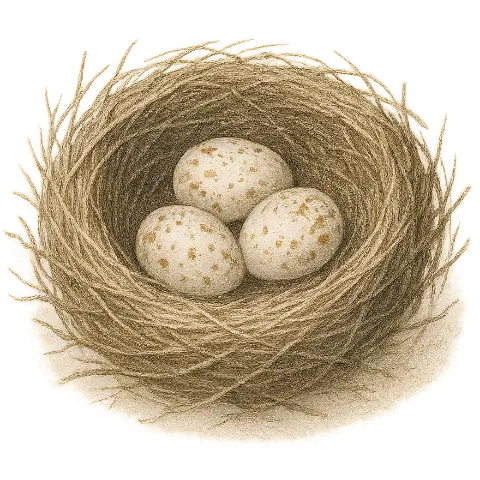
Nest: Cattle Egrets breed in large groups called colonies. These colonies are usually located near water, such as lakes, rivers, swamps or on small coastal or inland islands. Nests are typically built in trees or shrubs and are simple platforms made of sticks and other plant materials.