IUCN RED LIST
Established in 1964, The IUCN Red List is a critical indicator of the health of the world’s biodiversity. Species are classified by the IUCN Red List into nine groups, through criteria such as rate of decline, population size and area of geographic distribution as:
- Extinct (EX) – This species is no longer extant
- Extinct in the wild (EW) – Survives only in captivity, or through cultivation often outside native range
- Critically endangered (CR) – In an extremely critical state
- Endangered (EN) – Very high risk of extinction in the wild
- Vulnerable (VU) – At high risk of unnatural (human-caused) extinction
- Near Threatened (NT) – Close to being endangered in the near future
- Least Concern (LC) – Widespread and abundant in the wild
- Data Deficient (DD) – Inadequate information to assess extinction risk
- Not Evaluated (NE) – Has not yet been assessed




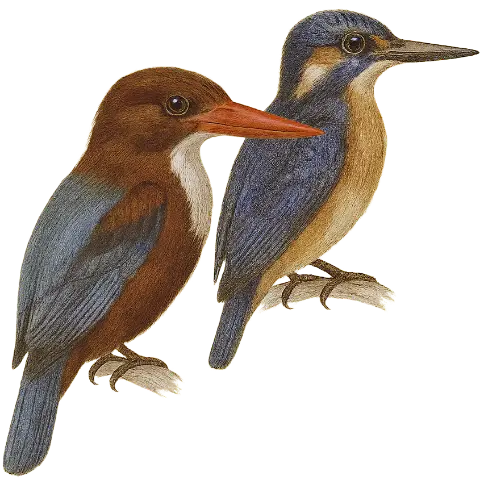

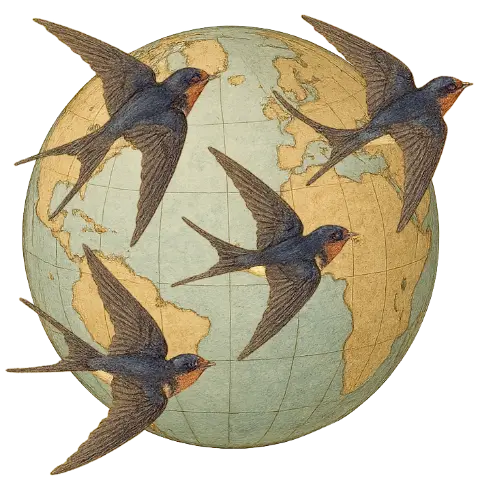

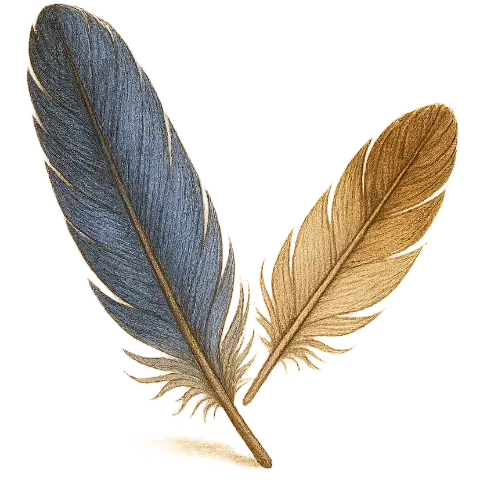
Brahminy Kites are easily recognized by their contrasting colours. They have a rich reddish-brown body, wings and tail, while the head and breast are bright white, giving a bold two-toned appearance. The bill is hooked and pale yellowish and the legs are also yellow. Males and females look the same. Young birds are browner overall with streaked underparts and do not show the sharp white-and-chestnut contrast until they mature.
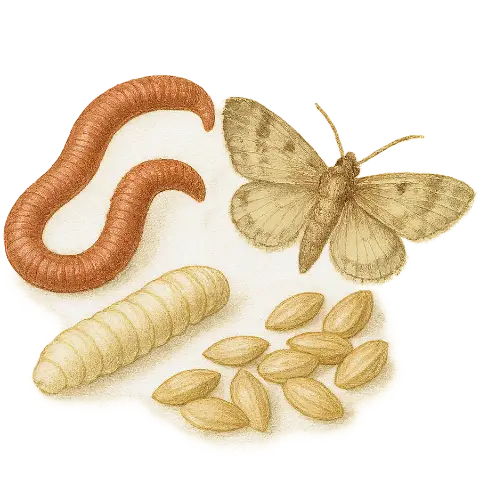
The Brahminy Kite is primarily a scavenger and opportunistic hunter. It is often seen soaring effortlessly over coasts, rivers, marshes and wetlands while searching for food. Its diet consists mainly of dead fish and crabs found in shallow waters and along shorelines. It also feeds on a variety of aquatic animals when available, including live fish, small vertebrates and other marine or wetland organisms. This kite uses its sharp eyesight to spot food below and swoops down to pick up prey or carrion with its talons. Its scavenging habits make it well adapted to coastal and wetland environments. The species frequently forages alone or in loose groups where food is abundant. By consuming carrion, Brahminy Kites help keep wetland ecosystems clean and balanced.
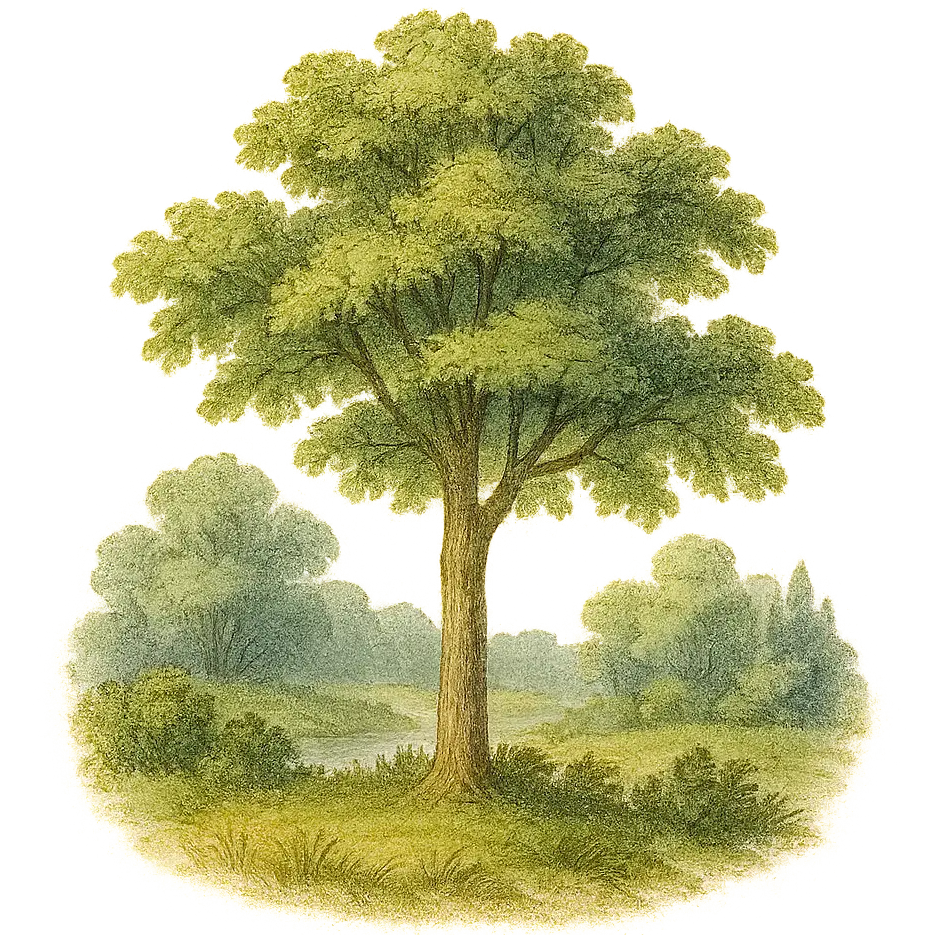
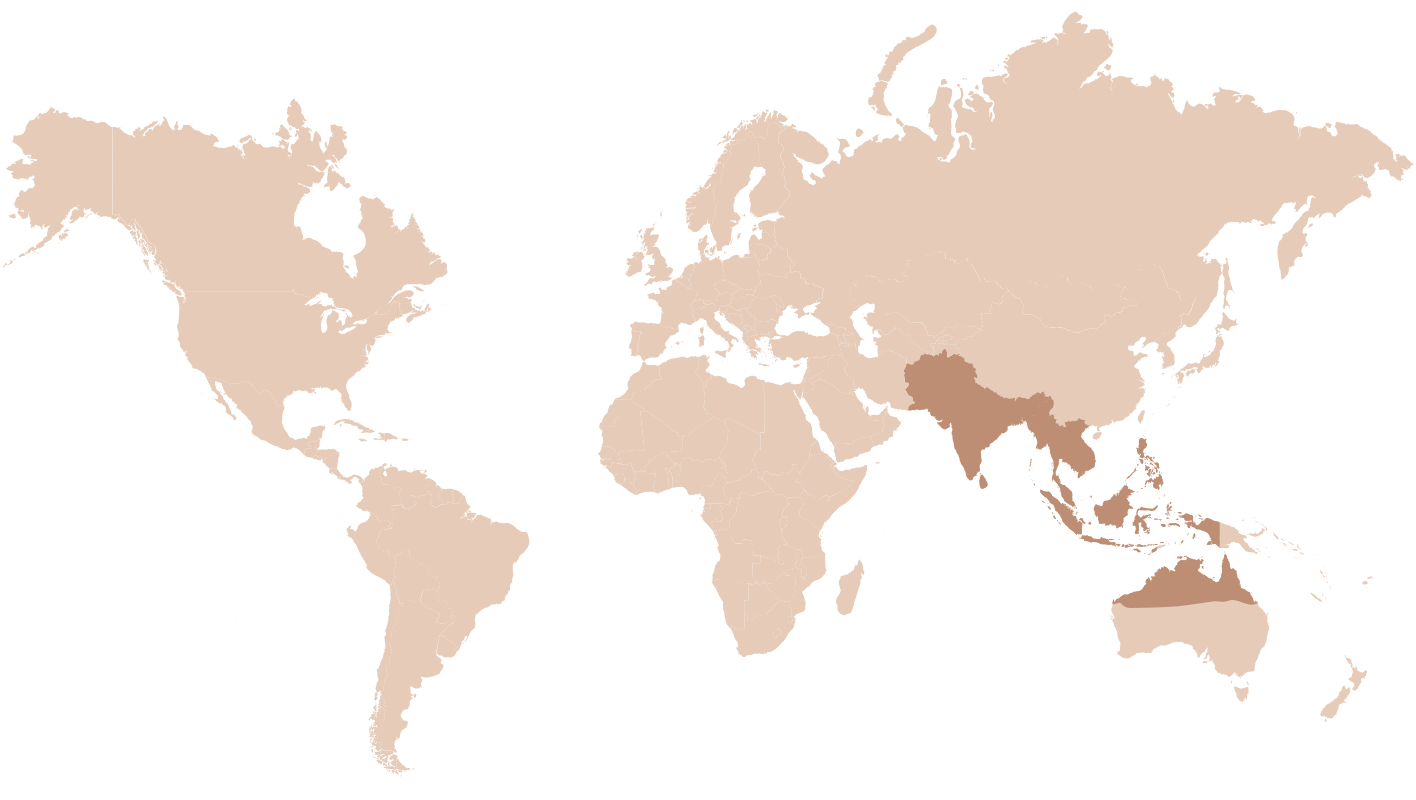
The Brahminy Kite primarily inhabits coastal regions, estuaries and mangroves but can also be found near large inland rivers and lakes.
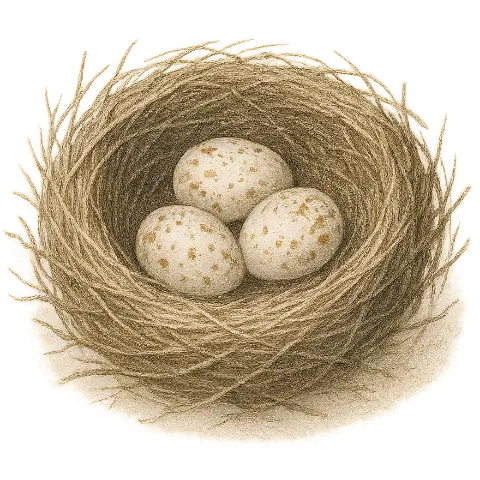
Nest: Brahminy Kites are sexually monomorphic, meaning males and females look alike. They nest high in tall trees, often close to water where they can easily hunt fish. The nest is a sturdy bowl-shaped structure made from sticks and small branches, with a lining of leaves. Mangrove trees are commonly used in coastal areas.