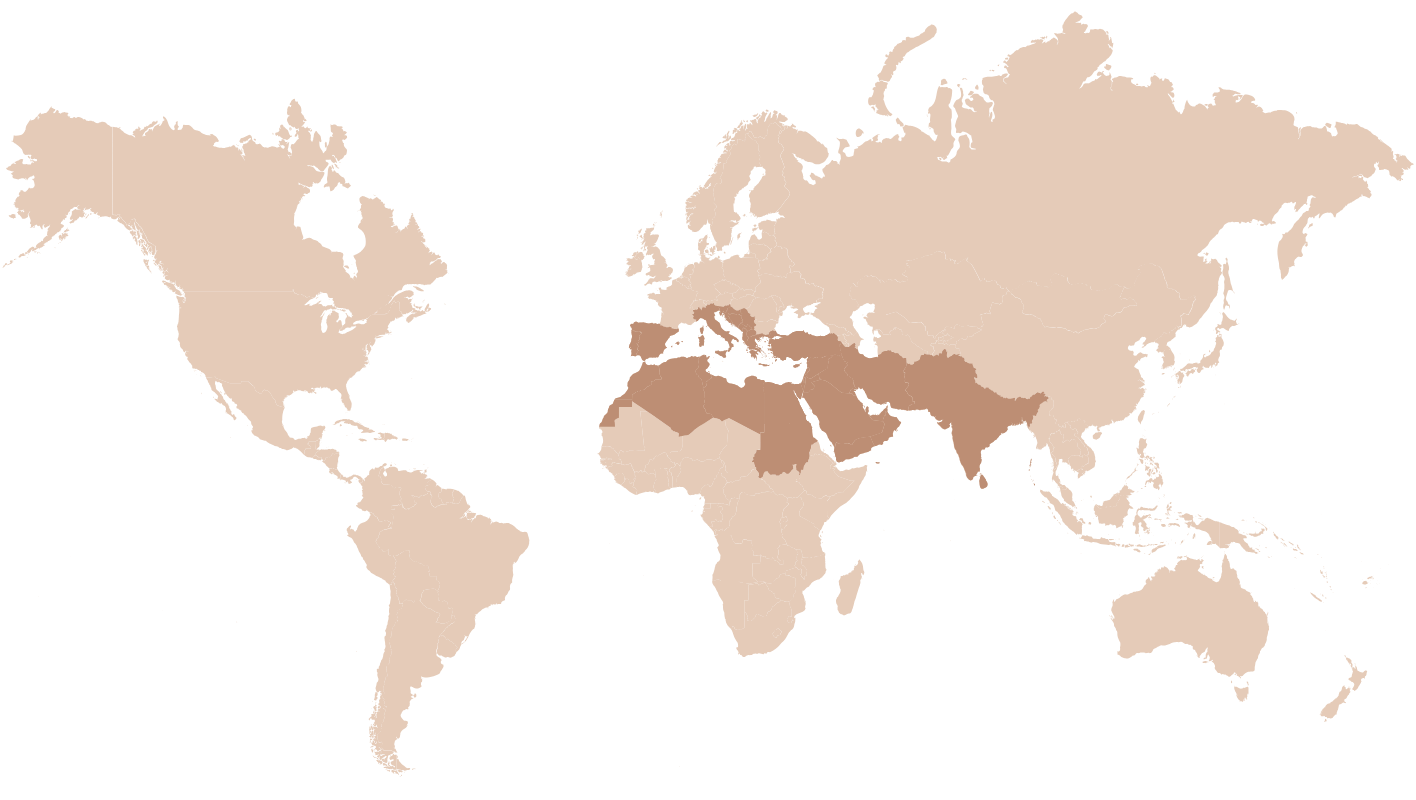
IUCN RED LIST
Established in 1964, The IUCN Red List is a critical indicator of the health of the world’s biodiversity. Species are classified by the IUCN Red List into nine groups, through criteria such as rate of decline, population size and area of geographic distribution as:
- Extinct (EX) – This species is no longer extant
- Extinct in the wild (EW) – Survives only in captivity, or through cultivation often outside native range
- Critically endangered (CR) – In an extremely critical state
- Endangered (EN) – Very high risk of extinction in the wild
- Vulnerable (VU) – At high risk of unnatural (human-caused) extinction
- Near Threatened (NT) – Close to being endangered in the near future
- Least Concern (LC) – Widespread and abundant in the wild
- Data Deficient (DD) – Inadequate information to assess extinction risk
- Not Evaluated (NE) – Has not yet been assessed









Booted Eagles are slender eagles with a long tail and show two different colour forms called morphs. In both morphs these birds have a clear white patch at the base of the wings that is easy to see in flight. In the pale morph, the body is mostly light cream or whitish with darker flight feathers. In the dark morph, the body is mid-brown with dark grey flight feathers. Males and females look alike. Young birds usually appear duller and more brown overall until they mature.
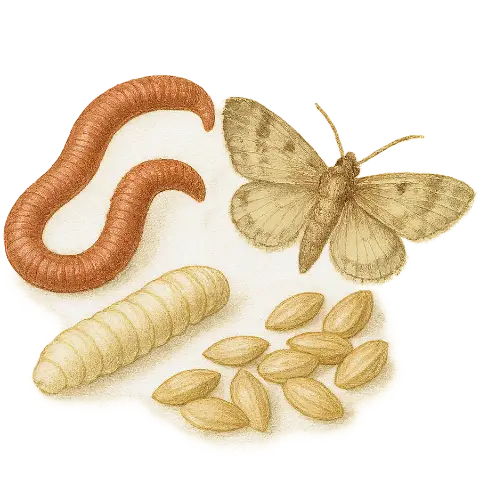
The Booted Eagle is a skilled and versatile hunter, feeding on a wide range of animals including birds, small mammals, reptiles, rodents, amphibians and insects. It hunts mainly by soaring over open areas and using its sharp eyesight to detect movement below. At other times, it remains perched quietly on a high lookout and then launches a swift, direct attack. Its hunting style involves sudden dives and rapid swoops, often surprising prey before they have time to escape.

Booted Eagles live in a wide range of habitats, including forests, woodlands and rocky, hilly country with open areas.
Courtship Display: Booted Eagles are monogamous, meaning they mate for life. These birds perform impressive aerial displays to strengthen pair bonds. They often return to the same nesting site year after year.
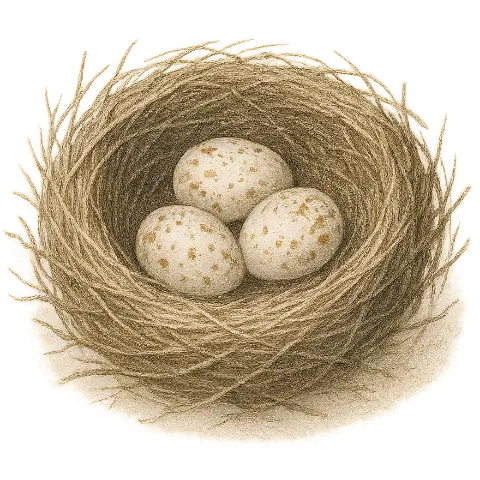
Nest: They build their nests in tall trees, anywhere from about 6 to 35 meters high or on cliff ledges. They may also reuse old nests built by other large birds. Their preferred breeding areas include woodlands mixed with open spaces and usually near water sources, ensuring good hunting opportunities.