IUCN RED LIST
Established in 1964, The IUCN Red List is a critical indicator of the health of the world’s biodiversity. Species are classified by the IUCN Red List into nine groups, through criteria such as rate of decline, population size and area of geographic distribution as:
- Extinct (EX) – This species is no longer extant
- Extinct in the wild (EW) – Survives only in captivity, or through cultivation often outside native range
- Critically endangered (CR) – In an extremely critical state
- Endangered (EN) – Very high risk of extinction in the wild
- Vulnerable (VU) – At high risk of unnatural (human-caused) extinction
- Near Threatened (NT) – Close to being endangered in the near future
- Least Concern (LC) – Widespread and abundant in the wild
- Data Deficient (DD) – Inadequate information to assess extinction risk
- Not Evaluated (NE) – Has not yet been assessed







Black Kites are mostly dark brown birds that can look almost black from a distance. Their wings are long and slightly angled, with paler brown streaks visible up close. The tail is long and shallowly forked, a key feature that is easy to notice in flight. The head may appear slightly paler than the body and the bill is dark and hooked. Males and females look alike. Young birds are browner with more streaks and a more clearly marked tail.
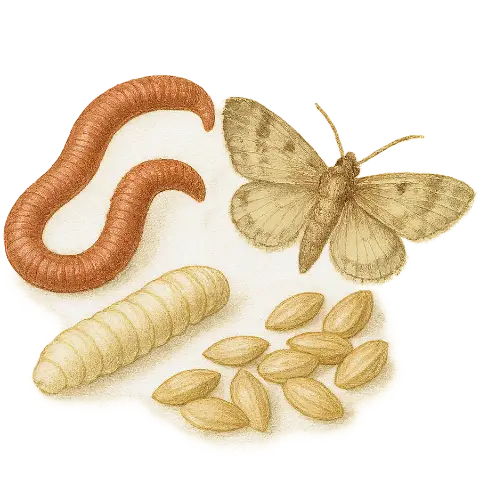
The Black Kite is both a predator and scavenger. It hunts live prey such as fish, small mammals, reptiles, birds, bats and insects using its sharp talons and aerial agility. It is also known for scavenging, regularly feeding on carrion (dead animals) and leftovers where available. When hunting, the Black Kite often soars and glides on thermals while scanning the ground or water below for prey or carrion. Its flexible diet and ability to exploit both live prey and scavenged food helps it thrive across diverse habitats, from forests and wetlands to farms and urban areas.

Black Kites pefer to live in wetlands, at river edges, along coastlines and also in grasslands, open savannas and woodlands. They try to avoid dense forests and high mountains.
Courtship Display: Black Kites are monogamous and form strong pair bonds that may last for life. They engage in ritualized aerial courtship, loud calling, soaring flights and in some cases mid-air grappling (locking feet briefly during flight).
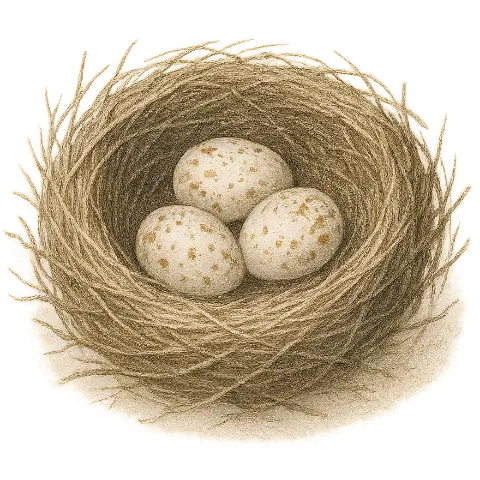
Nest: The nest is a rough platform made of twigs and sticks, often placed in a tree 8 to 15 m above ground, though nests up to 30 m high have also been recorded. They can reuse nest-sites. Nests may also be built been found on cliffs, pylons and other human-made structures in urban areas.
Clutch Size: 2 or 3 eggs. Both parents take part in incubation and feeding of the chicks. Incubation lasts around 30 to 34 days.