IUCN RED LIST
Established in 1964, The IUCN Red List is a critical indicator of the health of the world’s biodiversity. Species are classified by the IUCN Red List into nine groups, through criteria such as rate of decline, population size and area of geographic distribution as:
- Extinct (EX) – This species is no longer extant
- Extinct in the wild (EW) – Survives only in captivity, or through cultivation often outside native range
- Critically endangered (CR) – In an extremely critical state
- Endangered (EN) – Very high risk of extinction in the wild
- Vulnerable (VU) – At high risk of unnatural (human-caused) extinction
- Near Threatened (NT) – Close to being endangered in the near future
- Least Concern (LC) – Widespread and abundant in the wild
- Data Deficient (DD) – Inadequate information to assess extinction risk
- Not Evaluated (NE) – Has not yet been assessed








The Asian Koel male is glossy blue-black all over, with a metallic greenish shine in sunlight. His eyes are deep crimson red, standing out against the dark feathers and the bill is pale greenish-grey. The female looks very different, she has a brown back with many white spots and streaks and buffy or whitish underside with dark streaks on the chest and sides. The tail is long and stepped, barred brown and white in females, while plain dark in males. Young birds or juveniles look like females but are duller with softer markings.
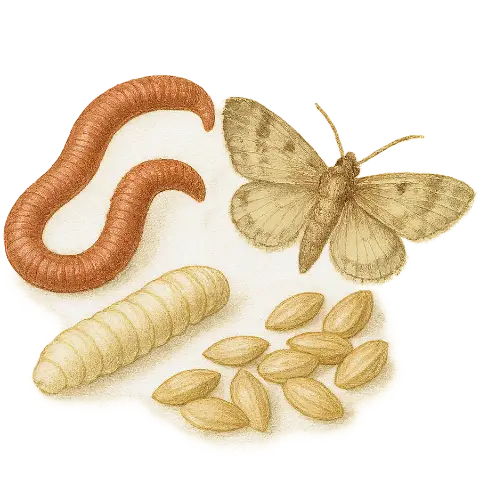
The Asian Koel feeds mainly on a wide variety of fruits and berries, particularly figs, banyans, papayas and other soft, fleshy fruits. It is an active and opportunistic feeder, usually foraging alone or in pairs among the canopies of fruiting trees. Using its strong beak, it plucks fruits quietly while moving through dense foliage, often going unnoticed. Although mostly frugivorous, the koel also eats insects, caterpillars, small lizards and occasionally the eggs of other birds. It frequently visits banyan and peepal trees, as well as orchards and gardens, especially during the fruiting season. Feeding takes place during the day, with peak activity in the morning and late afternoon. By swallowing fruits whole and later dispersing seeds through droppings, the Asian Koel contributes significantly to forest regeneration and plant diversity.
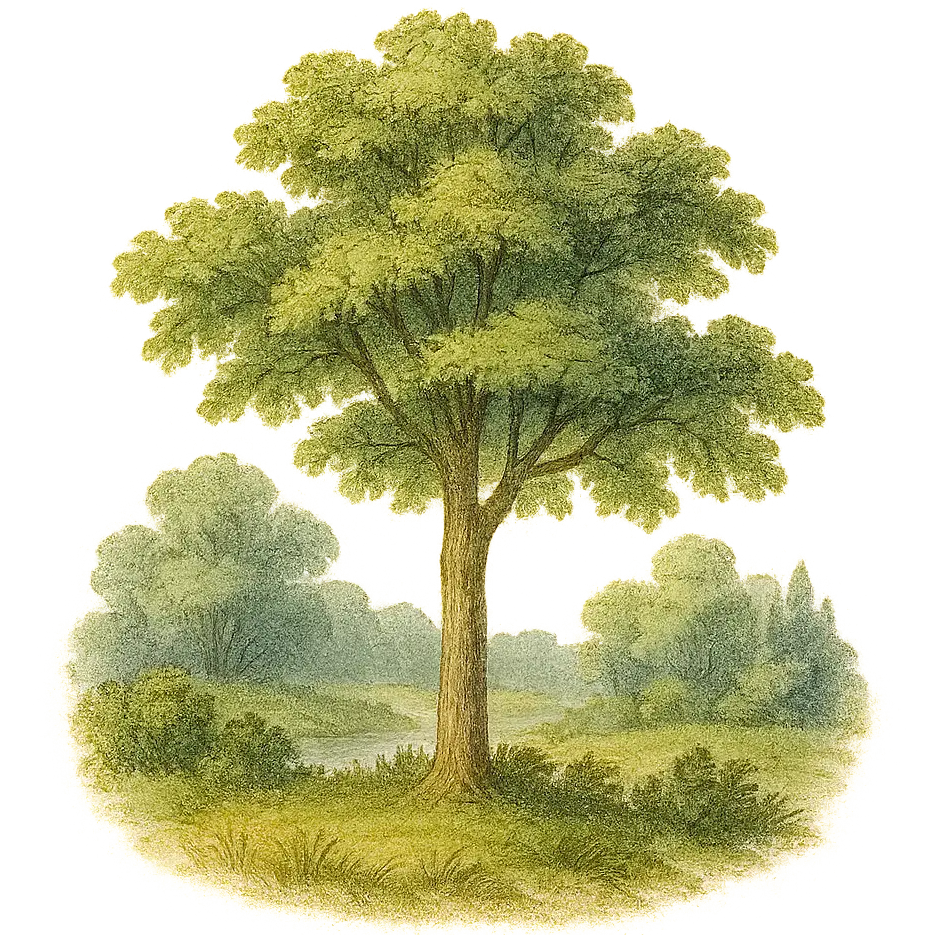
Asian Koels may be seen in tropical and subtropical forests, open woodlands, mangroves, plantations, gardens and other urban green spaces. This bird prefers areas with fruit-bearing trees, especially figs and banyans and is often found near human settlements. Its adaptability allows it to inhabit both rural and urban environments up to altitudes of about 2,000 m.
Courtship Display: The male calls loudly and repeatedly to attract the female. Courtship feeding is common with the male offers fruit to the female.
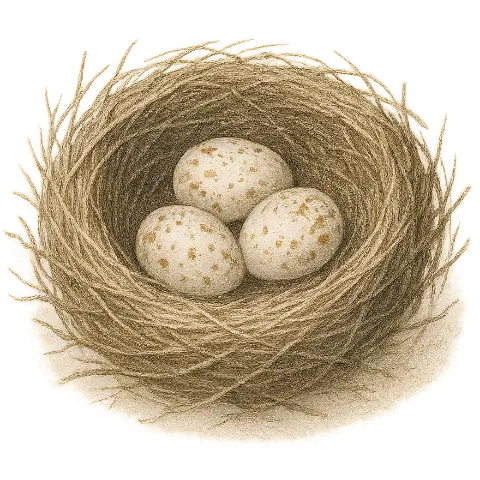
Nest: Asian Koels are brood parasites. They do not build their own nests. Instead, the female quietly lays 1 or 2 eggs in the nests of other birds, usually House Crows and Jungle Crows and sometimes Mynas or Drongos. She may remove one of the host's eggs to avoid being detected. The unsuspecting host birds incubate the eggs and raise the chicks.
Clutch Size: 1 to 2 eggs. Koel chicks often hatch earlier than the host's young and may push out the host eggs or chicks to get more food. The host parents then feed and care for the young koel as if it were their own.